
Do I Have Revenge Bedtime Procrastination? A Behavioral Screener
Maya Hollis, RD
6/19/2026
Do I Have Revenge Bedtime Procrastination? A Behavioral Screener
TL;DR
- Revenge bedtime procrastination is delaying sleep to reclaim personal time—not laziness, autonomy hunger.
- You're exhausted but stay up anyway because your day wasn't yours.
- It bridges burnout, perfectionism, and "tired but wired"—a stress-response pattern, not a character flaw.
- The pattern is treatable; the underlying autonomy need is real and valid.
What Is Revenge Bedtime Procrastination?
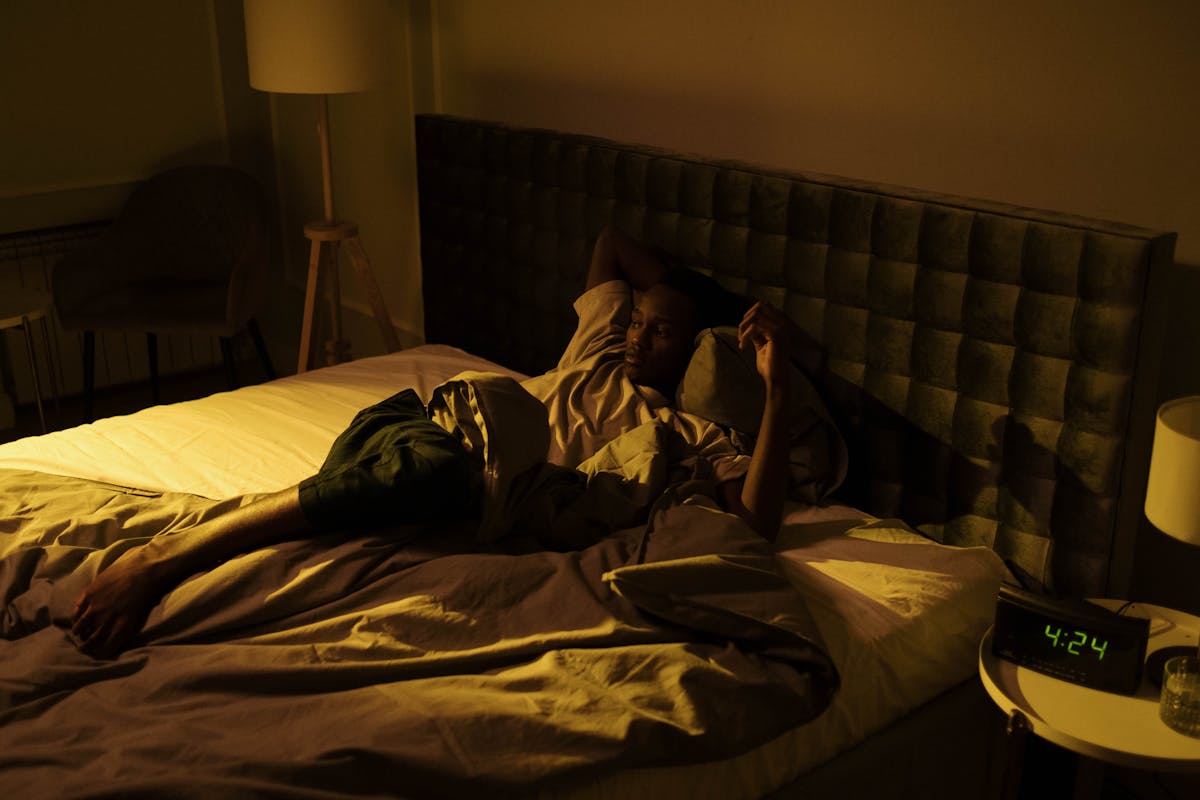
You collapse into bed at 11 PM. Your body screams fatigue. But your brain says: not yet. You grab your phone. You scroll. You watch one more video. 12:30 AM. 1 AM. You're aware you need sleep. You're doing it anyway. This isn't insomnia. This is revenge.
Revenge bedtime procrastination—or "sleep procrastination"—is the compulsive delay of sleep despite exhaustion. But it's not about the sleep itself. It's about reclaiming control. Your day belonged to your boss, your family, your obligations. Your bedroom is the first space in 16 hours that's purely yours. You steal it back. The cost? Hours of sleep you desperately need.
The pattern has a name because it's not rare. It's a behavioral signature of burnout, perfectionism, and autonomy-hunger—especially in people who feel their days are not their own.
The Core Pattern: Autonomy vs. Self-Sabotage
Revenge bedtime procrastination lives in a tension:
The autonomy side: Your waking life is structured, managed, controlled by others' schedules. Work, deadlines, family, commute. Your body is compliant; your time is not. Staying up late is the first choice you've made in 16 hours. It feels like agency.
The self-sabotage side: You know sleep deprivation makes you less effective, less resilient, less you. Staying up late is a form of harm—to yourself, by yourself. It's not strategic. It's rebellion with a cost you'll pay tomorrow.
Both are true. That's what makes revenge bedtime procrastination so hard to name: it's not laziness (you want to sleep), it's not insomnia (you can sleep), and it's not a mental illness. It's a coping mechanism for feeling powerless that ends up creating more powerlessness.
From the reddit/TikTok research on sleep behavior, the dominant emotional phrase is: "I'm stealing back my day." The relief of staying up is the feeling of choice, not the actual productivity of the hour. You could be doom-scrolling or pretending to relax. The activity barely matters. The autonomy does.
How to Recognize the Pattern (The Screener)
Revenge bedtime procrastination has a behavioral signature. Check how many of these resonate:
The Exhaustion Paradox
- You're visibly tired: heavy eyes, slow speech, yawning through dinner.
- The moment you're alone in your bedroom, you're suddenly awake—alert, scrolling, energized.
- This isn't second wind; it's a nervous-system shift. Your body was running on cortisol; alone, you relax enough to feel awake.
The Control Reversal
- Your day was full of other people's priorities. Meetings, emails, requests, decisions made for you.
- Bedtime is the first moment in hours where no one can interrupt you.
- Staying up feels like choice, even if it's a bad choice.
The Time Theft
- You're not staying up to accomplish anything. You're not building a side business or training for a marathon.
- You're scrolling, watching, or just existing without an agenda—the one thing you didn't have time for during the day.
- The point is the unstructured, unobserved time, not the content.
The Awareness + The Doing Anyway
- You know you need sleep. You've told yourself multiple times tonight "I'm going to sleep in 10 minutes."
- You stay up anyway, with full awareness of the cost.
- This isn't unconscious; it's compulsive. You're choosing the short-term relief (autonomy) over the long-term payoff (sleep).
The Morning Regret
- You wake exhausted, regretful, frustrated with yourself.
- You promise it won't happen again.
- 24 hours later, you repeat it.
The "Tired But Wired" Signature
- This is the somatic signature: your body is fatigued, your nervous system is aroused.
- In your bed, the moment of isolation triggers a nervous-system shift from "compliant" to "awake."
If 4 or more of these fit your pattern, you likely have revenge bedtime procrastination—not as a disorder, but as a behavioral response to a real autonomy need.
Why It Happens: The Autonomy Hunger
Revenge bedtime procrastination is most common in:
- High-control environments: jobs where your time is scheduled, meetings packed, expectations relentless. Teachers, healthcare workers, managers, on-call professionals.
- Perfectionist traits: people who optimize every hour, feel guilty for downtime, can't relax without a "reason."
- Burnout creep: not full burnout (where you collapse), but the early stage where your life doesn't feel like yours anymore.
- Suppressed autonomy: caregivers, people in dependent situations, those with controlling partners or parents.
The core driver is autonomy hunger—the neurobiological need to feel like you're steering your own time. When your day is non-negotiable and others-directed, your nervous system doesn't fully rest. Bedtime is when you finally get to choose.
The tragedy: by choosing to stay up, you're sabotaging the one thing that would actually restore autonomy—sleep. A rested nervous system is more resilient, more creative, more able to actually set boundaries during the day. Sleep deprivation makes you more compliant, not less.
The Tired-But-Wired Neurobiology
Here's what's actually happening in your nervous system:
- During the day, you're running on sympathetic activation (cortisol, adrenaline). Your body is alert but not your choice—it's reactive to external demands.
- At bedtime, you expect your nervous system to shift to parasympathetic (rest, recovery). But your brain is conditioned: "This is the first moment I'm safe to notice myself."
- In isolation, your nervous system actually activates temporarily (the "wired" part). This is partly relief (you're finally noticing your own needs) and partly dysregulation (your nervous system doesn't know how to be calm after hours of demand).
- You stay up to extend the rare window of feeling like yourself. But cortisol stays slightly elevated, keeping you wired.
- The sleep debt accumulates, making you less resilient, more reactive, more likely to rely on others' structures and less likely to set boundaries.
This is not insomnia (which is a sleep disorder). This is a nervous-system regulation issue layered with an autonomy problem.
Is It Sleep Procrastination or Real Insomnia?
Sleep procrastination (revenge bedtime procrastination):
- You choose to stay awake despite exhaustion.
- You can fall asleep if you actually try (or if circumstances force it).
- The barrier is behavioral/emotional, not neurological.
- You feel wired + aware, not anxious or racing-thought-y.
- It correlates with how controlled your day felt, not with random anxiety.
Insomnia:
- You want to sleep but physically cannot (racing thoughts, inability to quiet mind, anxiety spirals).
- You try to sleep and fail, regardless of willpower.
- It often occurs independent of how much autonomy you had during the day.
- It's a sleep-onset or sleep-maintenance disorder, not a choice.
Sleep deprivation from burnout/high demand:
- You're exhausted all the time, even with 8 hours of sleep.
- Your nervous system is so dysregulated you can't relax even in bed.
- You might sleep but not rest.
Revenge bedtime procrastination is distinct: you have the ability to sleep, you're choosing not to, and the driver is autonomy, not anxiety. That distinction matters because the treatment is different.
The Autonomy Reframe
Here's what makes this pattern so hard to break: your autonomy hunger is real and valid.
You're not lazy. You're not self-sabotaging yourself for fun. Your nervous system is correctly identifying that your waking life doesn't feel like yours. Staying up late is the system's way of reclaiming space.
The problem isn't the need for autonomy. It's the strategy—sacrificing the one physiological state (sleep) that would actually give you the autonomy to resist demands during the day.
The reframe: You need autonomy AND rest. Sleep deprivation makes you less autonomous, not more.
A rested nervous system is more able to:
- Say no during the day.
- Set boundaries with work, family, obligations.
- Make decisions based on your priorities, not reactive compliance.
- Feel like you're steering your life.
Revenge bedtime procrastination is solving for "I need to feel like I'm in control right now" at the cost of "I'll be less able to control my life tomorrow."
FAQ: Questions Searchers Actually Ask
Is revenge bedtime procrastination a real condition?
It doesn't have a DSM diagnosis, but it's a documented behavioral pattern in sleep research. Psychologists recognize it as a form of "sleep procrastination," distinct from insomnia. It's real enough that thousands of people report it, it has neurobiological underpinnings (autonomy + nervous-system dysregulation), and it's treatable. What matters is: does it describe your pattern? If so, it's real for you.
Why do I feel wired when I get into bed if I'm so tired?
Because isolation + safety trigger a nervous-system shift. During the day, you're in sympathetic mode (alert, responsive, compliant). At night, alone, your body releases some of that tension—and in that release, you notice yourself awake. It's not a second wind; it's a nervous-system recalibration. The "wired" feeling is partly relief and partly dysregulation.
Is this the same as insomnia?
No. Insomnia is a disorder of sleep ability—you want to sleep and can't. Revenge bedtime procrastination is a choice layered with a compulsive need for autonomy. You can sleep, but you don't want to yet. The treatment is different: insomnia needs sleep hygiene and sometimes medical intervention; revenge bedtime procrastination needs autonomy restoration and nervous-system regulation.
How is this connected to burnout?
Revenge bedtime procrastination is often an early warning sign of burnout. It shows up when your day doesn't feel like yours—when you've spent the waking hours meeting others' expectations and lost track of your own. It's your nervous system saying: "I need some part of my life back." If the pattern deepens without change, it can progress to actual burnout, where you collapse entirely.
Can I fix this by just forcing myself to sleep?
No. Willpower-based solutions rarely work because the underlying need (autonomy) is still unmet. You can try: "go to bed at 10 PM, no phone," but your nervous system will rebel because the real problem isn't the bedtime routine—it's that your waking life doesn't feel like yours. The sustainable fix involves restoring autonomy during the day (setting boundaries, reclaiming time, reducing perfectionism) so you're not so desperate for it at midnight. Take the My Sleep Fix quiz to understand your specific pattern.
Is staying up late really that bad if I know I'm doing it?
Yes, for several reasons: Sleep deprivation impairs judgment, emotional regulation, and boundary-setting—the very capacities you need to actually restore autonomy during the day. It also deepens the nervous-system dysregulation that's driving the pattern. You end up more tired, more compliant, more desperate for control—which fuels the cycle. The short-term relief (an hour of autonomy) costs you long-term resilience.
The Path Forward
If this pattern fits you, the first step is naming it without shame. You're not broken. You're not lazy. You're experiencing a real autonomy need in a way that's not serving you.
The second step is understanding your specific pattern: Is it burnout? Perfectionism? Lack of boundaries? A controlling environment? Are you tired or just restless? Do you actually want to sleep, or do you want to not have to wake up tomorrow?
That's where a behavioral screener helps. Take the My Sleep Fix quiz to map your sleep pattern, identify whether this is revenge bedtime procrastination, true insomnia, burnout fatigue, or something else—and get a personalized reflection on what your sleep (or lack thereof) might be telling you about your autonomy and nervous-system needs.
The goal isn't to force yourself to sleep earlier. It's to build a waking life where you don't feel so desperate to steal time from your own rest.
Related Reading
- Tired But Wired: Why Your Body Is Exhausted But Your Mind Won't Sleep
- Revenge Bedtime Procrastination and Burnout: The Autonomy Connection
- Am I Experiencing Burnout or Just Tired? A Self-Assessment Quiz
Want a personalized read on this? Take the Sleep Pattern Quiz — a few minutes, instant results.
Related Articles

Why Am I Always Bloated? 9 Common Causes (and How to Find Yours)
If you're bloated by mid-afternoon every single day, it's usually not 'just what you ate.' Here are the 9 real causes of chronic bloating and how to pinpoint yours.
Am I Sleep Deprived: 5 Hidden Signs You're Running on Empty
You sleep 8 hours and wake exhausted. Your brain feels foggy. You're snapping at people. These aren't laziness—they're signs your body is running a sleep debt you probably don't realize.

Am I Tired All the Time? Why You're Exhausted and How to Know If It's Your Hormones
You sleep 8 hours and wake up feeling like you got hit by a truck. Here's what's actually going on—and how to tell if it's your hormones, stress, or something else.