
Insomnia Test Free: The ISI Framework Screener That Actually Answers Your Questions
Dr. Lena Okafor
6/21/2026
Insomnia Test Free: The ISI Framework Screener That Actually Answers Your Questions
TL;DR:
- A free insomnia test based on the Insomnia Severity Index (ISI) can tell you if what you're experiencing is occasional sleep disruption, situational insomnia, or clinical-range chronic insomnia — without a diagnosis.
- The ISI measures severity across 7 items: sleep onset, maintenance, early waking, daytime impairment, and distress — the core diagnostic profile.
- Knowing your insomnia stage is the first step to choosing the right fix (sleep hygiene, behavioral therapy, or a conversation with your doctor).
- This screener is free, instant, and no paywall — just your answers and clarity.
Why You're Here: The "Tired But Wired" Paradox
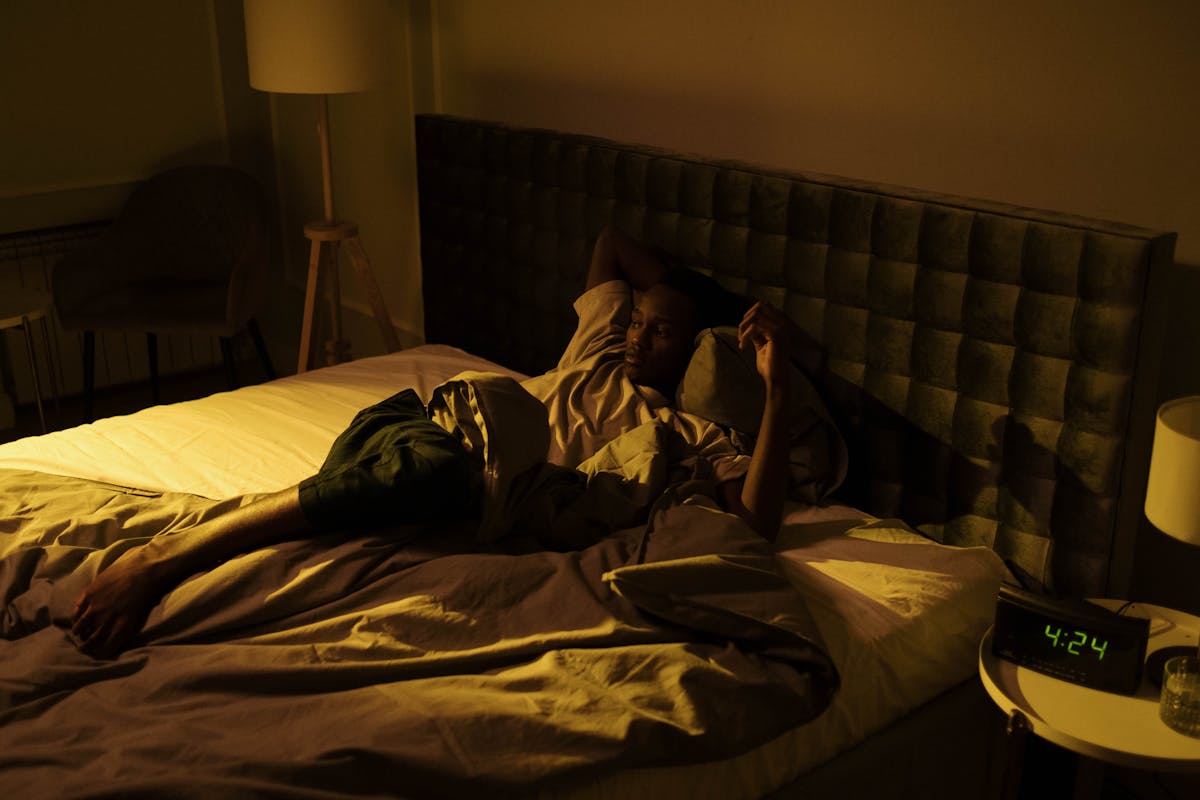
It's 11 PM. You've been tired all day. Your body is exhausted. You brush your teeth, dim the lights, collapse into bed—and suddenly, your brain turns on like a light switch.
Midnight. 2 AM. 4 AM. You're doing math in your head about how many hours of sleep you can still salvage. You're furious at yourself for not falling asleep. You're googling "how much sleep can I get before 6 AM" for the fifteenth time.
That's the insomnia trap: tired AND wired, simultaneously. Your body is depleted but your nervous system is stuck in "on," and neither one will compromise.
The most common question people ask at this moment: "Am I actually insomniac or just sleep-deprived?" And the answer matters, because the fix is different for each.
What This Free Test Measures: The ISI Framework
The Insomnia Severity Index (ISI) is a 7-item screening tool developed by sleep researchers and used in clinical practice to measure the severity and impact of insomnia—not just "did you sleep." It's science-backed and free to use.
Here's what it covers:
The 7 Core Measures
- Sleep onset difficulty — How hard is it to fall asleep? (5–20 minutes is normal; >60 minutes is a signal)
- Sleep maintenance — How often do you wake in the middle of the night? And when you do, can you fall back asleep?
- Early morning waking — Do you wake up 30+ minutes before your target wake time and can't get back to sleep?
- Daytime consequence — How tired/impaired do you feel during the day? (Cognitive fog, irritability, fatigue)
- Distress about your sleep — How much worry or frustration does your insomnia cause you?
- Overall impact — Is your insomnia messing with work, relationships, or daily functioning?
- Sleep dissatisfaction — Do you feel your sleep is overall unsatisfying or unrefreshing?
These seven items together paint a picture: Are you occasionally wakeful (normal), situationally disrupted (stress, travel, caffeine), or in the chronic/clinical range?
Free vs. Clinical vs. "Just Tired": The Three Stages
Stage 1: Occasional Wakefulness (Normal)
The picture: You sleep fine most nights. Once or twice a week, you're up until midnight or wake at 3 AM. You feel a bit groggy the next day but recover by afternoon.
What's happening: This is normal human sleep variability. Stress, caffeine, a hot bedroom, or just your sleep cycle can do this. It's not insomnia.
The fix: Sleep hygiene (cooler room, no screens 1 hour before bed, consistent schedule). No intervention needed.
Stage 2: Situational/Acute Insomnia (Weeks to a Few Months)
The picture: Your insomnia started because of something — a breakup, a big work deadline, a move, a medical event, jet lag. You fall asleep fine on some nights but lie awake worrying on others. You're tired, anxious about sleep, but you know why this started.
What's happening: Your nervous system is responding to a real stressor. Once the stressor passes (the project ends, you process the breakup, you adjust to the new home), sleep often rebounds naturally.
The fix: Stress-reduction techniques (meditation, journaling, exercise), behavioral sleep strategies (no clock-watching, get out of bed if you're awake >20 min), and sometimes a short course of melatonin or cognitive-behavioral therapy for insomnia (CBTi).
Stage 3: Chronic Insomnia (3+ Months, High Distress)
The picture: Your insomnia has been going on for months (or years). You dread bedtime. You've tried everything—white noise, melatonin, teas, sleep schedules—and nothing sticks. Your insomnia is the condition, not a symptom of something else. You're exhausted, irritable, your focus at work is shot, and sleep has become a source of serious anxiety.
What's happening: Your sleep system has learned to be "on alert" at night. The anxiety about insomnia has become part of the problem. Your body is stuck in a loop: worry about sleep → can't sleep → more worry → worse sleep.
The fix: This is where professional help (sleep medicine doctor, therapist trained in CBTi) is most valuable. CBTi (cognitive-behavioral therapy for insomnia) has strong evidence and is often more effective long-term than medication alone. Some people also benefit from short-term sleep medication while they rebuild sleep habits.
Why the Free Test Matters (Even When You're Exhausted)
When you're sleep-deprived, your brain is foggy. You can't tell if you have real insomnia or if you're just tired from stress, caffeine, or a bad week. A simple, free, no-signup screener gives you three concrete things:
-
A name for it — You're not imagining this. Your answers clarify whether this is situational, mild, or severe. (That clarity alone is often a relief.)
-
Permission to act — If you score in the chronic range, you should talk to a doctor or sleep specialist. If you score low, sleep hygiene changes might be enough. The test guides you to the right next step.
-
A baseline — If you try a behavioral intervention or medication, you can retake the test in a few weeks and see if things actually shifted. You're not relying on "I feel better." You have data.
What Makes a Free Test Legitimate (Not a Sales Pitch)
There are a lot of sleep-quiz mills online designed to funnel you to a sleep-med ad or a $199 course. Here's what separates a real screener from a scam:
Real insomnia tests:
- Use a named, validated framework (ISI, STOP-BANG, Epworth Sleepiness Scale) — not a made-up scoring system.
- Include a "not a medical diagnosis" disclaimer (because it isn't—it's a screener, a conversation-starter with a doctor).
- Are actually free — no pop-up asking for your email after question 3.
- Give you a specific score + what it means — not vague "you might have insomnia" nonsense.
- Don't try to sell you anything based on your result. (If your result page has 5 Amazon affiliate links to sleep supplements, that's a red flag.)
Take the Free Test, Then What?
If you score mild (occasional wakefulness):
- Start with sleep hygiene: cool, dark room; consistent bedtime; no screens 1 hour before sleep; limit caffeine after 2 PM.
- Give it 2–3 weeks. If you're sleeping better, you're done.
If you score moderate (situational insomnia):
- Keep a sleep diary for a week (bedtime, wake time, how many times you woke, mood). Patterns often emerge.
- Try cognitive-behavioral techniques: if you're awake >20 minutes, get out of bed and do something calm (read, stretch) until you feel sleepy.
- Consider short-term melatonin (3–5 mg, 1 hour before bed) or ask your doctor about a prescription.
If you score severe (chronic insomnia):
- Schedule an appointment with a sleep medicine doctor or a therapist trained in cognitive-behavioral therapy for insomnia (CBTi). This is the #1 evidence-backed treatment, and it works even after years of insomnia.
- Don't wait for it to "fix itself"—chronic insomnia tends to get worse without intervention.
FAQ: Your Insomnia Questions, Answered
What's the difference between "tired but wired" and just regular insomnia?
Tired but wired is the feeling—exhausted body, hyperalert mind. It happens with anxiety, high cortisol, or when your nervous system is stuck in "fight or flight." Regular insomnia is just "can't sleep," which can be situational, behavioral, or neurological. A free screener measures the impact and severity, not the feeling. But if you feel tired-but-wired most nights, the ISI will likely show moderate-to-severe scoring, which tells you it's worth addressing.
Can I have insomnia if I fall asleep fine but wake up at 3 AM?
Absolutely. That's "sleep maintenance insomnia" — one of the 7 ISI measures. You might fall asleep in 10 minutes but then wake at 3 AM and lie awake for 2 hours. That counts. The ISI screens for all types of insomnia, not just sleep onset.
Is this test actually accurate, or is it just internet nonsense?
The Insomnia Severity Index is a validated clinical tool—used in sleep labs, research studies, and doctors' offices. It's not perfect (no test is), but it's far more accurate than a random online quiz. That said, this screener is not a medical diagnosis. It's a reflection of your sleep pattern right now. If you score high, that's information for your doctor, not a diagnosis.
What if I've been on sleep medication for years and I still have insomnia?
That's actually more common than you'd think. Long-term sleep meds can lose effectiveness (tolerance) or mask the underlying issue (often anxiety or a bad sleep habit). A sleep specialist might recommend switching medications, adding behavioral therapy, or even tapering off meds while learning better sleep patterns. The ISI can help track whether a new approach is working.
Is revenge bedtime procrastination the same as insomnia?
No, but it can lead to insomnia. Revenge bedtime procrastination is staying up late intentionally (stealing back "your" time from a busy day) even though you're tired. Insomnia is wanting to sleep but not being able to. They can overlap: you start with revenge procrastination (staying up until 1 AM scrolling), then later can't fall asleep because you're wired. Eventually, your brain learns to be "on" at night, and now you have genuine insomnia even when you're not procrastinating. The free test measures insomnia, not procrastination—but if you're doing both, addressing the procrastination might help first.
Can a free online test replace talking to a doctor?
No. A screener is a conversation starter. If you score high, print or screenshot your results and bring them to your doctor. If you have chronic insomnia, you should see a professional—there are things a doctor can rule out (sleep apnea, thyroid issues, medication side effects) that a quiz can't. But a free ISI-based screener can help you decide if it's urgent and give you clarity before that appointment.
The Bottom Line: Clarity Without a Paywall
You're tired. You're wired. You're exhausted from not sleeping. The first step isn't a supplement or a $200 app—it's knowing what kind of insomnia you actually have.
Take the free Insomnia Screener — based on the ISI framework, no signup required, instant results. Get a clear stage (situational, mild, moderate, severe) and a clear next step.
This screener is a self-reflection tool, not medical advice. If you score moderate-to-severe or if insomnia is impacting your health, work, or safety, consult a healthcare provider or sleep specialist.
Related Resources
- Insomnia Severity Index (ISI): Developed by Morin et al. (2011), validated across multiple languages and clinical settings.
- Cognitive-Behavioral Therapy for Insomnia (CBTi): Evidence-backed treatment; ask your doctor or search for a certified CBTi therapist at Society of Behavioral Sleep Medicine.
- Sleep hygiene tips: Cool room (65–68°F), consistent schedule, no screens 1 hour before bed, limit caffeine after 2 PM.
Want a personalized read on this? Take the Free Insomnia Screener — a few minutes, instant results.
Related Articles

Why Am I Always Bloated? 9 Common Causes (and How to Find Yours)
If you're bloated by mid-afternoon every single day, it's usually not 'just what you ate.' Here are the 9 real causes of chronic bloating and how to pinpoint yours.
Am I Sleep Deprived: 5 Hidden Signs You're Running on Empty
You sleep 8 hours and wake exhausted. Your brain feels foggy. You're snapping at people. These aren't laziness—they're signs your body is running a sleep debt you probably don't realize.
Am I Tired All the Time? Why You're Exhausted and How to Know If It's Your Hormones
You sleep 8 hours and wake up feeling like you got hit by a truck. Here's what's actually going on—and how to tell if it's your hormones, stress, or something else.