
Revenge Bedtime Procrastination: Why You Stay Up Scrolling When Exhausted
Sofia Greenwood, NP
6/12/2026
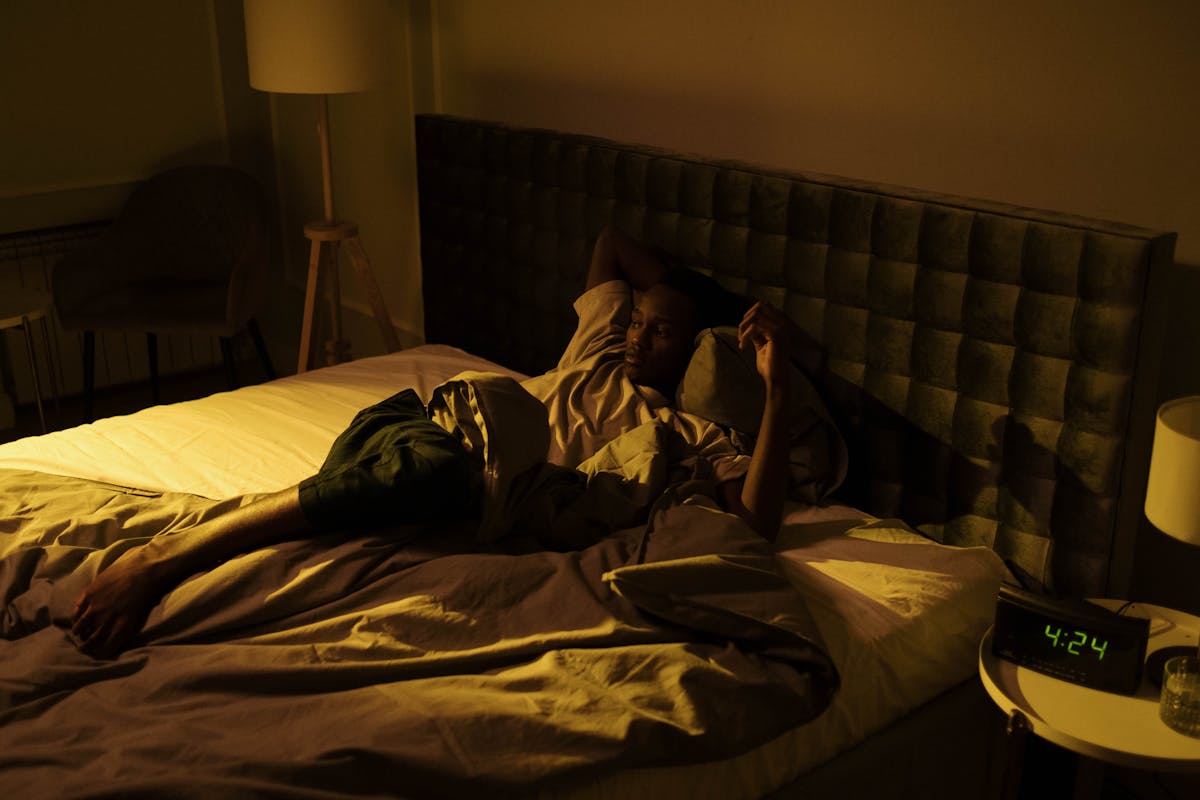
Revenge Bedtime Procrastination Quiz: Why You Stay Up Scrolling When Exhausted
TL;DR:
- Revenge bedtime procrastination = staying up late scrolling despite exhaustion, not because you're not tired, but because sleep feels like the only time you have zero obligations
- It's a symptom of burnout and autonomy deprivation, not a willpower problem
- The 3am scroll is a shared coping mechanism: you're reclaiming "me time" at sleep's expense
- Your nervous system isn't broken—it's signaling that daytime feels out of control
- Take the Sleep Fix quiz to understand your specific pattern and rebuild rest as non-negotiable
What Is Revenge Bedtime Procrastination, Really?
Revenge bedtime procrastination is when you stay awake scrolling, watching, or scrolling hours past when you meant to sleep—despite being exhausted. You know sleep is what you need. You feel the fatigue. And yet, the moment your head hits the pillow (or refuses to), your phone becomes magnetic.
The word "revenge" is key. You're not procrastinating on sleep itself—you're stealing back time. During your day, someone else (your boss, your calendar, your responsibilities) owned your attention. Bedtime is the only pocket of the day where you have zero obligations. Your phone is the only thing asking nothing of you. So at 11pm, midnight, 1am, 2am, you keep scrolling. You're not doing it because you want to. You're doing it because it's the one time no one can interrupt you.
This is less about sleep hygiene and more about autonomy hunger.
The Reframe: It's Not Laziness, It's Depletion
If you've been told you "just need discipline" or "better sleep habits," you've been handed the wrong diagnosis.
Revenge bedtime procrastination is a symptom, not a character flaw. Specifically, it signals:
-
Your daytime feels out of your control. Meetings, deadlines, demands, notifications—other people's priorities own the 8–10 hours when you're awake and working. Bedtime is the only slot where you decide.
-
You're running a autonomy deficit. Psychologists call this intrinsic motivation deprivation. When your choices aren't your own all day, your brain becomes hypervigilant at night—any moment you could control becomes irresistible.
-
Your nervous system is stuck in "on." Burnout doesn't feel like sadness; it feels like numbness + a constant hum of dread. Sleep feels like surrender. Scrolling feels like the only thing that quiets the static without requiring more effort.
The tweets, the dark humor about bedtime rituals ("brush teeth, set alarm, oh god I'm on Twitter..." — Nicole Silverberg), the memes about insomnia — they exist because so many people are in this exact loop. The 3am scroll is a shared ritual, not a personal failure.
Why the Reframe Matters
If you blame yourself for "not having discipline," you'll try harder to fall asleep, which creates more anxiety, which means more scrolling. It's a tightening spiral.
But if you recognize the pattern as "my daytime autonomy is depleted," the fix shifts: it's not about willpower, it's about reclaiming control during the day.
This is why people in high-autonomy jobs (where they set their own schedule, make their own calls) report less revenge bedtime procrastination. It's not because they're more disciplined. It's because they already got their "me time" during the day.
Your 1am scroll isn't the problem. It's the signal that something bigger needs to shift.
The Physical Tell: Tired but Wired
Revenge bedtime procrastination often pairs with "tired but wired"—the paradox where you're exhausted but your nervous system won't let you sleep.
This is your body running two systems at once:
- System 1 (tired): Your circadian rhythm + physical fatigue screaming for sleep.
- System 2 (wired): Your sympathetic nervous system still on alert, because somewhere in your day you never got to fully relax. Bedtime feels like the first moment of safety, so your body floods the space with arousal—adrenaline, cortisol, racing thoughts. You're not anxious; you're relieved to finally be alone, and that relief is activating.
The scroll feels soothing because it's giving your wired nervous system something to do that's under your control. It's not rest; it's self-medication.
Real Signs You're in the Revenge Bedtime Procrastination Loop
- You fall into bed and immediately feel "awake-alert."
- You tell yourself "just 5 more minutes" of scrolling, and it's 45 minutes later.
- You're not scrolling because it's interesting; you're scrolling because stopping feels unbearable.
- Weekends or vacations improve your sleep immediately—not because rest is magic, but because your daytime autonomy goes back up.
- You sleep perfectly fine on nights when you've had choice and control during the day.
- Dark humor about sleep deprivation feels like the most relatable thing you've read all day.
- The moment your body hits the pillow, your brain wakes up with a to-do list or spiral you didn't consciously notice during the day.
- You feel guilty about staying up late (which paradoxically makes it harder to stop).
What Actually Helps (Beyond "Put Your Phone Away")
Reclaim autonomy during the day
- Set non-negotiable "choice blocks" during work: 30–60 min where you decide what you work on, not the inbox.
- Say no to one thing this week. Boundaries during the day directly reduce nighttime rebellion.
- Take a real lunch break. Not at your desk. Away from screens. This is the easiest autonomy win.
Reset your nervous system before bed
- Revenge bedtime procrastination isn't a sleep problem; it's an activation problem. You need to downregulate before sleep is even on the table.
- 10–15 min of genuine non-negotiable rest in the early evening (not scrolling, not working, not "relaxing while planning tomorrow") tells your nervous system "we're safe now; you can stand down."
- If you can't do that, journaling for 3 min ("what did I not get to decide today?") can externalize the anxiety.
Stop treating sleep like rest
- Reframe bedtime as a non-negotiable boundary, not a health hack. Not "I should sleep more," but "Sleep is when I own my time, and nobody gets to steal that."
- When you're tempted to scroll at 1am, the honest question is: "Am I avoiding sleep, or am I claiming back autonomy?" If it's the latter, the solution is to claim autonomy during the day, not to white-knuckle through bedtime.
Check if it's burnout
- If revenge bedtime procrastination started or worsened in the last 6–12 months, you're likely in a burnout or high-stress season. Fixing sleep habits won't touch the root. You need to address the depletion.
FAQ
What's the difference between revenge bedtime procrastination and regular insomnia?
Insomnia = you want to sleep but can't. Revenge bedtime procrastination = you don't want to sleep yet because the night is the only time you own yourself. You're consciously choosing to stay up, even though you know sleep is what you need. The distinction matters because insomnia is a sleep disorder; revenge bedtime procrastination is an autonomy crisis wearing a sleep mask.
Is revenge bedtime procrastination the same as being a night owl?
No. A night owl has a naturally later circadian rhythm—they genuinely feel awake and alive at midnight. Someone with revenge bedtime procrastination knows they're exhausted, but they can't stop scrolling anyway. It's the compulsion that marks the difference, not the time of night.
Can I fix this just by putting my phone in another room?
Temporarily, yes. But if the underlying autonomy deficit stays, you'll find another way to procrastinate—doom-scrolling on a laptop, lying awake with racing thoughts, getting up to "do one more task." The phone is the symptom carrier, not the root. You need to address the daytime first.
Why does my sleep improve on vacation but fall apart the week I return?
Because vacation gives you autonomy back. When you're in control of your time and schedule, your nervous system settles. You sleep naturally. The moment external demands (work, obligations, other people's calendars) take over again, the revenge bedtime procrastination returns—because your daytime autonomy is gone again. This is the biggest sign that the problem isn't you; it's your context.
Is there a connection between revenge bedtime procrastination and burnout?
Yes, strong one. Revenge bedtime procrastination often appears in the early-to-mid stages of burnout, when you still have some energy left at the end of the day but it's all compressed into late evening. It's your nervous system saying "I didn't get to choose anything today, so I'm choosing now." Left unaddressed, it can deepen into full exhaustion + complete inability to sleep (later-stage burnout).
If I understand the pattern, why can't I just stop?
Because understanding the why doesn't fix the underlying autonomy deficit. You need to restructure your day so that you have choice and control during waking hours. The scroll at 1am isn't the problem to solve; the lockdown of your daytime is. Fix the day, and the night usually follows.
The Bottom Line
Revenge bedtime procrastination isn't a weakness. It's your nervous system screaming that something is out of control during the day, and the only time you get to own your time is after everyone else has gone to bed.
The fix isn't better sleep hygiene or more discipline. It's reclaiming autonomy during the day so that bedtime doesn't feel like your only escape hatch.
If you're caught in this loop—exhausted, scrolling compulsively at night, guilty about it—take the Sleep Fix quiz to get a personalized breakdown of what's driving your specific pattern and what actually might help. You deserve rest that feels like yours, not rest you're tricked into stealing.
Note: This quiz is a self-reflection tool, not medical advice. If insomnia or sleep disturbance is severe or persists despite addressing daytime autonomy, consult a sleep specialist or therapist.
Want a personalized read on this? Take the Sleep Fix Quiz — a few minutes, instant results.
Related Articles

Why Am I Always Bloated? 9 Common Causes (and How to Find Yours)
If you're bloated by mid-afternoon every single day, it's usually not 'just what you ate.' Here are the 9 real causes of chronic bloating and how to pinpoint yours.
Am I Sleep Deprived: 5 Hidden Signs You're Running on Empty
You sleep 8 hours and wake exhausted. Your brain feels foggy. You're snapping at people. These aren't laziness—they're signs your body is running a sleep debt you probably don't realize.

Am I Tired All the Time? Why You're Exhausted and How to Know If It's Your Hormones
You sleep 8 hours and wake up feeling like you got hit by a truck. Here's what's actually going on—and how to tell if it's your hormones, stress, or something else.