Am I a Night Owl or Early Bird? The Chronotype That Explains Your Sleep Struggles
Dr. Lena Okafor
6/30/2026
Am I a Night Owl or Early Bird? The Chronotype Quiz That Explains Your Sleep Struggles
TL;DR
- Your chronotype is your biological sleep preference—hardwired, not a choice or character flaw.
- The three main types are early birds (naturally wake 5–6am), night owls (naturally sleep after midnight), and intermediates (flexible, 7–9am risers).
- Mismatching your chronotype to a 9-to-5 schedule is a real source of insomnia and daytime fatigue—not laziness.
- Take the chronotype quiz to find your type and stop fighting your biology.
- Understanding your chronotype is the first step toward sleep that actually works for you.
What Is Your Chronotype? (And Why It's Not Laziness)
Your chronotype is your biological preference for sleep and wake times—the internal rhythm that tells your body when it's "supposed" to be alert and when it's "supposed" to rest. It's not something you choose. It's more like your sleep personality, baked into your genes and shaped by your circadian rhythm (your body's 24-hour internal clock).
If you've ever felt like a zombie trying to function at 8am while your coworker is already on their third coffee, you might be fighting your chronotype. Many people do, especially if they have a night-owl nature but work a traditional 9-to-5 schedule. The result? Chronic fatigue, brain fog, and the frustrating feeling that something's "wrong" with you—when really, your body and schedule are just out of sync.
The Three Main Chronotypes (And How to Know Which You Are)
1. Early Birds ("Larks")
Early birds naturally wake between 5–6am, often without an alarm. They feel most alert in the morning, with energy peaking between 8–10am. By evening, they're winding down, often tired by 9pm. Early birds tend to be consistent sleepers with fewer insomnia struggles—if they stick to their natural schedule.
The struggle: Early birds in night-owl environments (late-night study sessions, evening social plans, shift work) can feel isolated and exhausted. Some push themselves to stay up later, which backfires as sleep debt.
2. Night Owls ("Owls")
Night owls have a delayed sleep rhythm. They hit their mental peak between 10pm and midnight (or later), feel most productive in the afternoon and evening, and naturally sleep past 7am if allowed. Forcing them awake at 6am feels like the middle of the night—because to their circadian rhythm, it is.
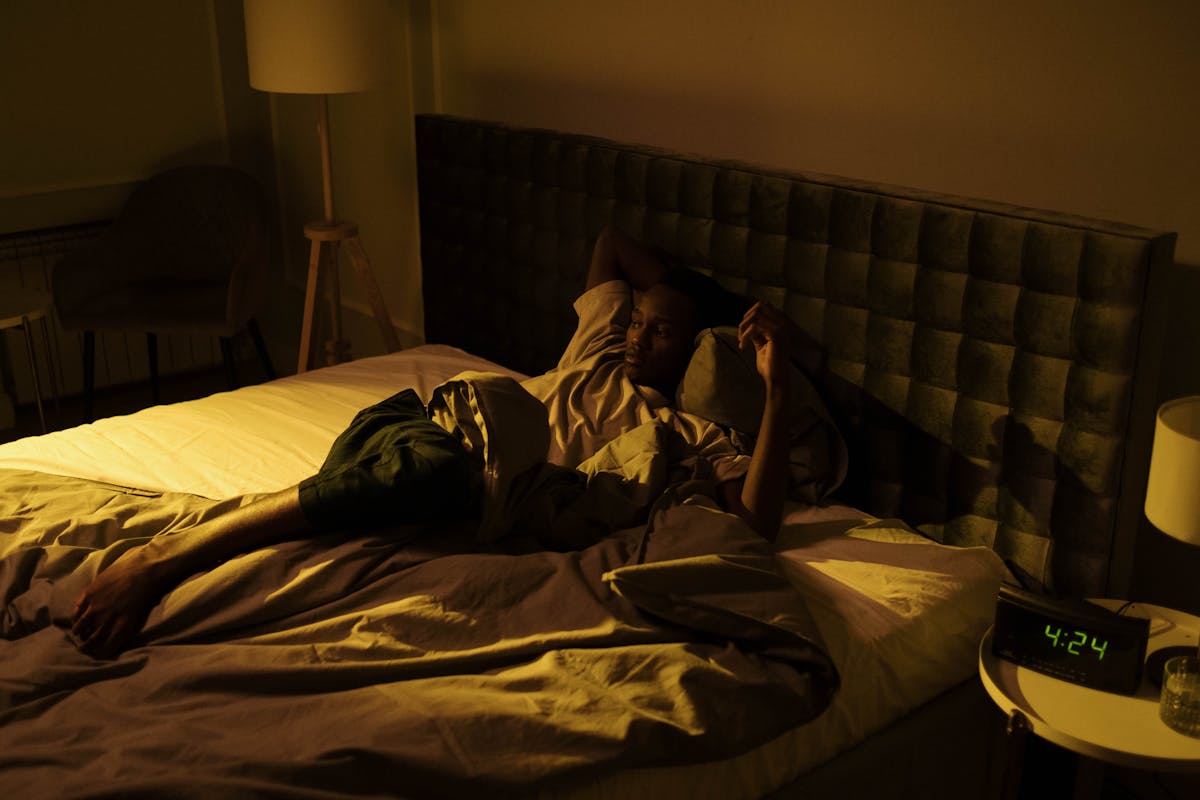
The struggle (the big one): Night owls in a 9-to-5 world often report "tired but wired"—exhausted all day, but the moment their head hits the pillow at a "reasonable" bedtime, their brain turns on. This isn't insomnia you caused; it's chronotype conflict. Shift work, parenting, and traditional work hours are brutal for owls. Over time, chronic sleep deprivation and the stress of fighting their biology can trigger real sleep disorders.
3. Intermediates ("Hummingbirds")
Intermediates are flexible. They can wake anytime between 7–9am and feel reasonably alert. They adapt more easily to varying schedules and tend to have fewer sleep conflicts. If you can sleep at 10pm or midnight and wake at 6:30 or 8:30 without feeling destroyed, you're likely an intermediate.
The advantage: Intermediates have the easiest time in conventional society. The trade-off: they might feel a bit lost when asked "are you a morning person?" because the honest answer is "sort of, but I'm flexible."
Chronotype, Insomnia, and the Biology Nobody Talks About
Here's what sleep researchers have found: insomnia isn't always about "bad sleep habits." Sometimes it's about timing.
A night owl forced to sleep at 10pm and wake at 6am is fighting a neurochemical battle. Their melatonin (the sleep hormone) is still hours away from peaking. Their cortisol (the "wake up" hormone) hasn't risen yet at 6am. So at 10pm they lie awake feeling wired, and at 6am they feel like they've been hit by a truck even if they technically "slept 8 hours."
This creates a vicious cycle:
- Chronotype mismatch → forced bedtime that doesn't align with your rhythm
- Can't fall asleep → brain is still in the productive zone
- Anxiety about bedtime → dread builds, sleep gets worse
- Daytime fatigue → exhaustion, brain fog, irritability
- Stress compounds → cortisol spikes, nervous system stays dysregulated
- Sleep disorder label → insomnia diagnosis (even though the real problem is the schedule)
Many people diagnosed with insomnia are actually experiencing chronotype-schedule mismatch. Addressing the mismatch—through flexible work, adjusted sleep windows, or even accepting your natural rhythm—can resolve the "insomnia" without sleeping pills.
The Intermediate Advantage (And Why Early Birds Aren't Always Lucky)
You might think early birds have it made in a 9-to-5 world. They do, in some ways—the world is built for them. But chronotype research shows early birds aren't automatically happier sleepers. They're just more aligned with social expectations.
The research: Studies on chronotype and well-being find that life satisfaction and sleep quality aren't determined by whether you're an early bird or night owl—they're determined by whether your life aligns with your chronotype. A night owl with a flexible schedule, working late and sleeping in, reports excellent sleep and mood. An early bird forced into late-night events feels just as miserable.
Intermediates, meanwhile, have the flexibility advantage—they can adapt to almost any schedule without severe biological pushback. But that flexibility can also mean they don't feel as much urgency to honor their rhythm, which can lead to sleep drift over time.
What Your Chronotype Means for Insomnia
If you're struggling with sleep, your chronotype is one piece of the puzzle:
Night owls with insomnia: First step—check if your bedtime is realistic. A 10pm "lights out" might not be your biological sleep window. Trying an 11:30pm or midnight bedtime (with an adjusted wake time if possible) often resolves the "can't fall asleep" struggle immediately.
Early birds with insomnia: You might be getting enough sleep, but not quality sleep if stress or health factors (hormones, caffeine, anxiety) are disrupting your natural wake window. The fix isn't earlier bedtime; it's protecting your sleep quality from 9pm onward.
Intermediates with insomnia: Your chronotype is flexible, so insomnia is more likely tied to other factors—stress, irregular schedule, sleep environment, or underlying sleep disorders like sleep apnea. You have the advantage of being able to shift your schedule; the challenge is pinpointing what's actually wrong.
The Fix Isn't Willpower—It's Alignment
One of the biggest myths about sleep: "You just need to be disciplined and go to bed on time." That works for some people. For night owls, it's like telling a left-handed person to just write with their right hand—possible, exhausting, and completely unnecessary.
The actual fix is chronotype awareness. Once you know whether you're a night owl, early bird, or intermediate, you can:
- Adjust your schedule if possible (flexible start times, remote work, shifted sleep window)
- Protect your natural rhythm by respecting your peak hours and wind-down time
- Build a sleep routine that aligns with your biology, not against it
- Stop blaming yourself for "not being able to fall asleep" when the real problem is the bedtime
If your work requires a fixed schedule that doesn't match your chronotype, light therapy, strategic napping, and sleep optimization become more important—but you'll at least understand why sleep feels harder and can stop the self-blame spiral.
FAQ: Chronotype and Sleep
Is my chronotype fixed, or can I change it?
Your core chronotype is mostly genetic and stable over your lifetime. That said, your sleep schedule can shift slightly (30–60 minutes) with consistent light exposure and routine—but you can't turn a night owl into an early bird, and that's not the goal. The goal is alignment, not transformation.
Can I have insomnia if my sleep schedule matches my chronotype?
Yes. Chronotype is one factor. Other causes of insomnia include anxiety, sleep apnea, caffeine sensitivity, hormonal changes, and underlying health conditions. If you've aligned your sleep time to your chronotype and still can't sleep, talk to a healthcare provider. Take the quiz to rule out chronotype mismatch first.
What if my job requires early mornings and I'm a night owl?
This is a real challenge, and there's no perfect solution. Options include: (1) negotiating flexible hours, (2) using light therapy in the morning to shift your rhythm slightly, (3) short naps in the afternoon to manage fatigue, (4) sleep quality optimization (no screens before bed, dark bedroom, temperature control), or (5) evaluating whether the job is sustainable long-term. Some night owls thrive on shifted schedules and need to prioritize that.
Is being tired all day and wired at night always a chronotype issue?
No, but it's often a sign. "Tired but wired" is also a symptom of burnout, anxiety, high cortisol, or sleep deprivation. Check your chronotype first, then—if misalignment isn't the issue—explore stress, caffeine, and sleep environment.
How is chronotype different from being a "morning person" or "night person"?
Chronotype is the biology; "morning person" or "night person" is the personality label. You can be introverted and still be an early bird, or extroverted and a night owl. Chronotype is specifically about when your body naturally wants to sleep and wake. Find your chronotype.
Can I take melatonin to shift my chronotype?
Melatonin can help temporarily adjust sleep timing by 30–90 minutes, but it's not a long-term chronotype shifter. Light exposure is the strongest lever for shifting your circadian rhythm slightly. Melatonin is better for managing jet lag or temporary schedule shifts than for rewriting your core chronotype.
The Bottom Line
If you've been blaming yourself for being a "bad sleeper" or "lazy" because you can't function at 6am, stop. Your chronotype isn't a flaw—it's neurobiology. The insomnia, the fatigue, the brain fog—these often disappear when your schedule finally honors your rhythm.
Take the chronotype quiz to discover your type and start building a sleep life that actually works for you, not against you.
Disclaimer: This quiz is a self-reflection tool, not a medical diagnosis. If you're experiencing persistent sleep disturbances, insomnia, or suspect a sleep disorder like sleep apnea, consult a healthcare provider or sleep specialist.
Want a personalized read on this? Discover Your Sleep Chronotype — a few minutes, instant results.
Related Articles

Why Am I Always Bloated? 9 Common Causes (and How to Find Yours)
If you're bloated by mid-afternoon every single day, it's usually not 'just what you ate.' Here are the 9 real causes of chronic bloating and how to pinpoint yours.
Am I Sleep Deprived: 5 Hidden Signs You're Running on Empty
You sleep 8 hours and wake exhausted. Your brain feels foggy. You're snapping at people. These aren't laziness—they're signs your body is running a sleep debt you probably don't realize.

Am I Tired All the Time? Why You're Exhausted and How to Know If It's Your Hormones
You sleep 8 hours and wake up feeling like you got hit by a truck. Here's what's actually going on—and how to tell if it's your hormones, stress, or something else.