
Am I Burnt Out From Parenting? A Parental Burnout Screener
Maya Hollis, RD
6/30/2026

Am I Burnt Out From Parenting? A Parental Burnout Screener
TL;DR
- Parental burnout ≠ stress. Stress makes you feel overwhelmed; burnout makes you feel empty, with nothing left to give.
- Four core signals: isolation (no adult connection), resentment (toward kids or partner), role-loss ("who am I outside of parenting?"), and self-sacrifice (your needs don't matter).
- The body keeps score. Physical symptoms—gut issues, recurring illness, tension headaches—often show up before you name the emotional truth.
- It's not laziness or weakness. Burnout is what happens when a system (parenting without support, societal pressure, invisible labor) runs a person on empty for too long.
- Take the parental burnout screener → to see where you are and what comes next.
What Parental Burnout Actually Is (And Why It's Not Just "Stress")
If you're a parent, you've heard it: "You're doing great!" "Other parents have it worse." "It gets easier." But inside, you feel hollowed out. You go through the motions—pack the lunches, attend the games, read the bedtime story—but something fundamental has shifted. You're running on fumes, and the fumes are running out.
That gap between what you're supposed to feel and what you actually feel? That's burnout.
Stress and burnout are not the same. Stress says, "There's too much to do and not enough time." Burnout says, "I've been giving everything and it's not coming back. I don't recognize myself anymore."
Parental burnout is a specific kind of depletion. Unlike work burnout, which you can sometimes leave at the office, parenting burnout follows you everywhere. You can't resign. You can't take a sabbatical without guilt. The stakes feel absolute—other humans depend entirely on you—and the invisibility is complete. Nobody hands you a paycheck. Nobody celebrates the small wins. You're doing the most important work of your life in near-total isolation, and the culture around you normalizes it as "just what parents do."
The Four Core Signals of Parental Burnout
Burnout doesn't announce itself with a single moment. It creeps in through four doors. Recognizing them is the first step to naming what's happening.
1. Isolation (The Loneliness Inside a Full House)
You're surrounded by people—your kids, maybe a partner, maybe extended family—and yet you've never felt more alone. Adult conversation has evaporated. Your friendships have drifted because you can't remember the last time you had time to nurture them. When you do get a moment alone, you don't know what to do with yourself. The silence feels foreign.
Parents experiencing this signal often describe it as: "I'm touched out. I need to be alone, but when I am, I feel invisible."
Isolation in parenting is structural. Childcare is unpaid, often invisible, and happens mostly behind closed doors. If you're the primary parent, you're doing emotional labor in a vacuum—managing everyone's feelings, schedules, and needs while your own inner life shrinks. Even with a partner, the emotional load often falls unevenly, leaving one parent feeling unseen.
2. Resentment (The Slow Burn Toward the People You Love)
This one hurts to admit. You resent your kids for needing you so much. You resent your partner for not understanding the weight of it. You resent the system that told you that motherhood/fatherhood would be fulfilling, that you'd never want to miss a moment, that if you're irritated by constant demands you're doing it wrong.
You snap at your kids over small things. You feel guilty immediately—they didn't do anything wrong—but the resentment is there. It's the anger of someone who has been running on empty for so long that even a small request feels like too much.
Resent is often the canary in the coal mine. It shows up before you consciously admit you're struggling. You might not say "I'm burnt out," but you'll say, "Why do I feel annoyed all the time?" or "I hate that I yelled over something so small."
3. Role-Loss (The Disappearance of "You")
When was the last time someone asked you what you wanted? Not as a parent, not as a partner—but as a person with interests, dreams, and an inner life?
One of the deepest signals of parental burnout is the loss of identity outside the parenting role. You might not remember what you liked to do before kids. Your hobbies feel like luxuries you're not allowed. Your body is a tool for keeping everyone else alive, not a thing that's yours. Your time isn't yours. Your attention isn't yours.
Parents in this state often say: "I don't know who I am anymore," or "I've forgotten what I enjoy." It's not that you've chosen to be selfless—it's that the system has made it impossible to be anything else.
4. Self-Sacrifice (The Slow Erasure)
Your needs go last. Always last. Your sleep suffers because the kids' schedules come first. Your health gets deprioritized ("I don't have time for a doctor's appointment"). Your friendships fade. Your body aches. Your mental health slides, but addressing it feels like a selfish luxury.
This isn't nobility—it's burnout. And the culture around parenting has made self-sacrifice feel like the mark of a good parent, which means you're unlikely to question it until you break.
You might think: "Other parents manage this. Why can't I?" The answer is often that you're not managing—you're collapsing in slow motion, and you've been taught to smile while it happens.
The Body Keeps Score
Burnout lives in your body before it lives in your thoughts. Pay attention to:
- Recurring illness. Constant colds, sinus infections, or that one illness that won't fully clear. Chronic stress suppresses immune function.
- Gut issues. Bloating, digestive trouble, or stomach tightness. The gut-nervous-system connection is real.
- Tension and headaches. Shoulders that won't relax. Headaches that coffee can't touch.
- Sleep that doesn't restore. You sleep 8 hours and wake up exhausted. Your nervous system is stuck in "on."
- No energy for things you used to love. You used to read, or hike, or create. Now the idea exhausts you before you even start.
These aren't signs of laziness or weakness. They're your body saying: I need rest. I need support. I need to be human again.
The Permission You Need
Parental burnout carries deep shame. You might think: "My kids are healthy and loved. I shouldn't be complaining." Or: "Other parents have it harder—single parents, parents with disabled kids, parents with no money." Or the most insidious: "If I'm burned out, it means I'm weak or selfish."
None of those are true.
Burnout is not a personal failing. It's what happens when a person is asked to do an impossible amount of invisible labor, often alone, often without societal support, and often while being told it should feel completely fulfilling.
You don't need burnout to be worse than someone else's to matter. Your exhaustion is real. Your depletion is real. Your need to be seen as a full human, not just a caretaker, is valid.
The relief of naming it—saying, "This is burnout, not just a bad week"—is often the first step toward change.
What Comes After the Screener
Recognizing parental burnout isn't about fixing yourself. It's about honest reckoning. Take the parental burnout screener to see where isolation, resentment, role-loss, and self-sacrifice are showing up in your life. Your score isn't a judgment—it's a map.
From there, recovery looks like: reclaiming small pieces of your identity, building structures that share the load more fairly, asking for (and accepting) help without guilt, and slowly remembering that you are a person, not just a parent.
Parental Burnout: Frequently Asked Questions
What's the difference between parental burnout and depression?
They often co-occur, but they're distinct. Depression affects how you feel about everything. Parental burnout is specific to the role and the depletion of giving endlessly without return. You can be burnt out and not depressed, and you can be depressed and not burnt out. Many parents experience both. If you're experiencing persistent sadness, hopelessness, or thoughts of harming yourself, reach out to a mental-health professional. This screener is not a diagnostic tool.
Can I recover from parental burnout while still parenting?
Yes, but it requires systemic change, not just self-care. Recovery might mean: sharing the mental load more fairly with a partner, hiring help if possible, lowering your standards on things that don't matter (the house doesn't need to be perfect), building in protected time for yourself, and being radically honest about what you need. Small individual changes matter, but the bigger shifts come from changing the system around you, not just changing your mindset.
Is parental burnout a medical diagnosis?
It's not yet in the DSM-5, but researchers have identified parental burnout as a distinct syndrome with measurable traits (emotional exhaustion, depersonalization, reduced sense of accomplishment in the parenting role). Many therapists recognize and treat it. Bring this screener to a therapist or doctor if you want professional support.
How long does it take to recover from parental burnout?
There's no standard timeline. Recovery isn't linear. Some parents start feeling relief within weeks of making a single change (hiring help, getting a regular break, shifting some responsibility). Others take months or years to rebuild their sense of self. The important thing is to start—to name it, to ask for help, and to make one change at a time.
What if my partner doesn't believe parental burnout is real?
This is common and painful. Partners who don't share the mental load often don't see the burnout until it's critical. Having a language for it—this screener, articles, maybe a therapist—can help. Sometimes it takes a crisis (you breaking down, getting sick, withdrawing) before the other person takes it seriously. You deserve to be believed before the crisis. If you're not being heard, that itself is part of the problem and may be worth exploring with professional support.
The Quiet Reframe
Here's what burnout research tells us: It's not that you're lazy—it's that you've been running on empty for so long your body stopped pretending. It's not that you're weak—it's that no one can stay healthy in a system designed to extract everything and give nothing back.
Naming parental burnout means giving yourself permission to be human. To have limits. To need rest, connection, and an identity beyond the role that consumes you.
Take the parental burnout screener and see what emerges. Your score is the beginning of honesty. What you do with that honesty is up to you.
Want a personalized read on this? Take the parental burnout screener and see where you are — a few minutes, instant results.
Related Articles

Why Am I Always Bloated? 9 Common Causes (and How to Find Yours)
If you're bloated by mid-afternoon every single day, it's usually not 'just what you ate.' Here are the 9 real causes of chronic bloating and how to pinpoint yours.
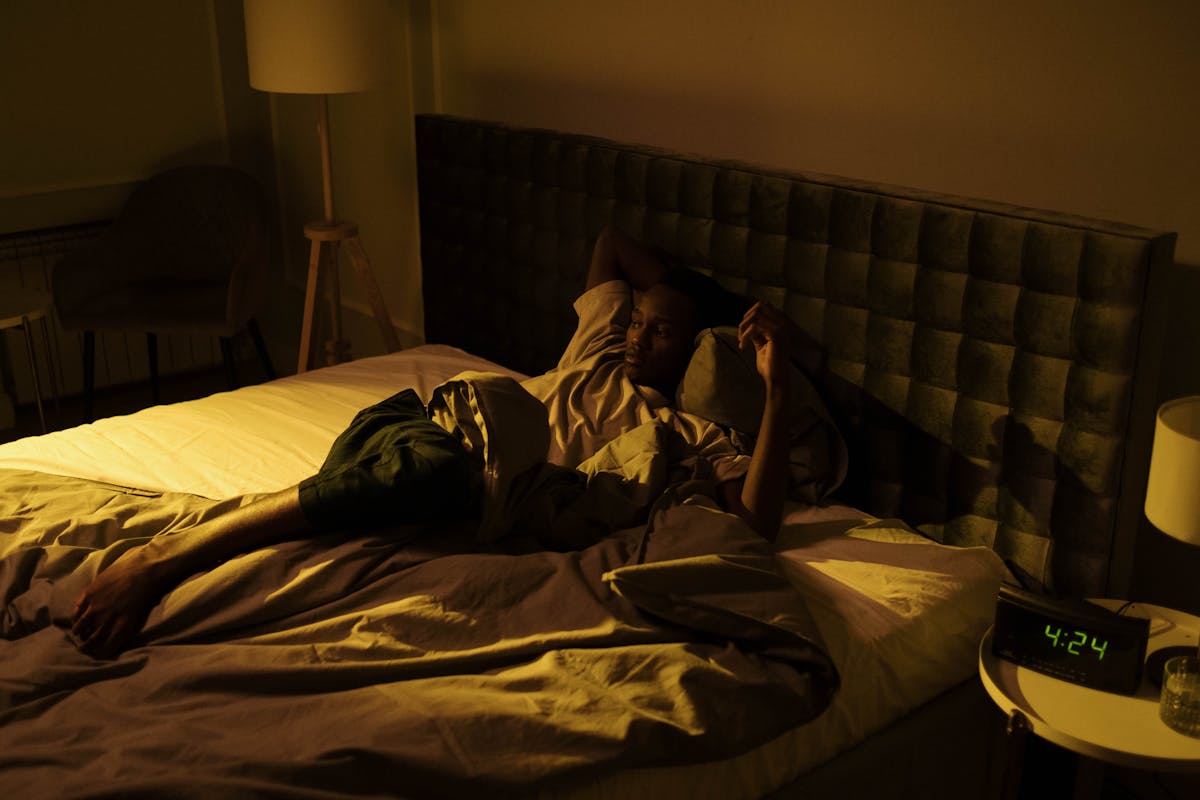
Am I Sleep Deprived: 5 Hidden Signs You're Running on Empty
You sleep 8 hours and wake exhausted. Your brain feels foggy. You're snapping at people. These aren't laziness—they're signs your body is running a sleep debt you probably don't realize.

Am I Tired All the Time? Why You're Exhausted and How to Know If It's Your Hormones
You sleep 8 hours and wake up feeling like you got hit by a truck. Here's what's actually going on—and how to tell if it's your hormones, stress, or something else.