
Am I Too Picky on Dating Apps? The Picky vs. Standards Test
Ryan Cole
6/9/2026
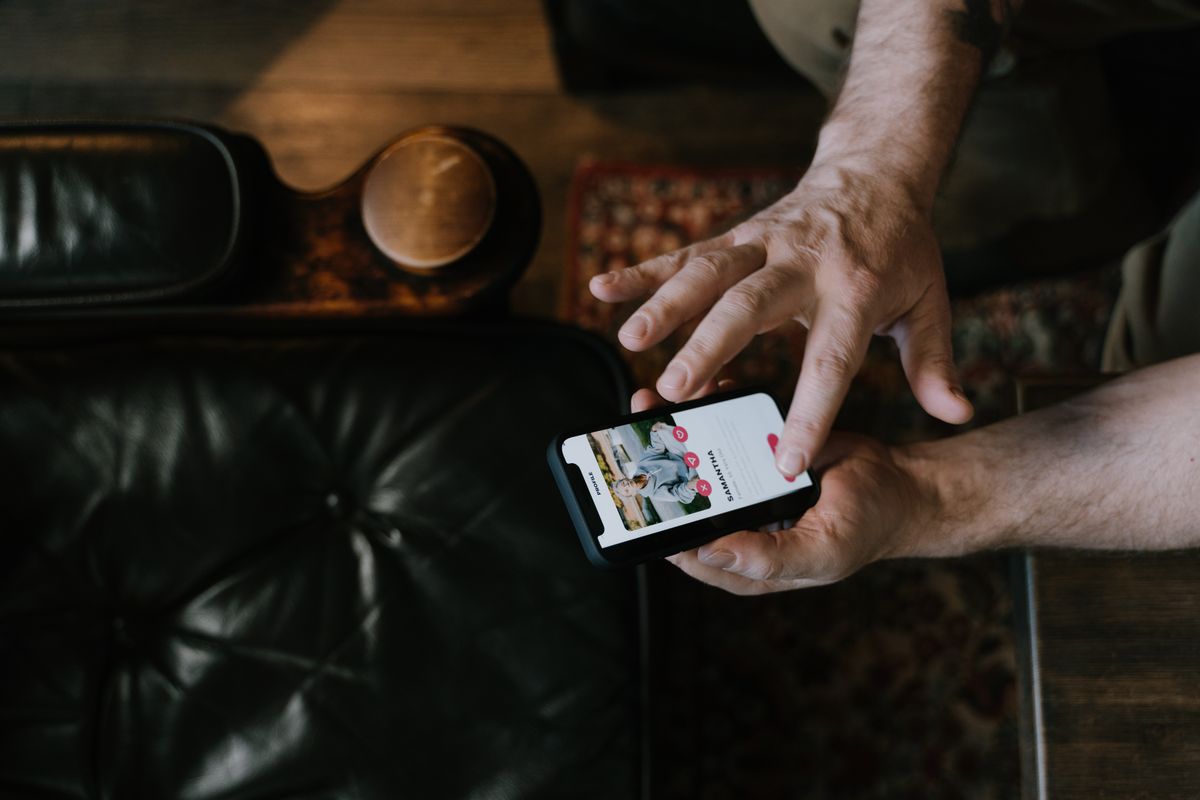
Am I Too Picky on Dating Apps? The Picky vs. Standards Test
TL;DR
- Pickiness and standards aren't the same: one eliminates 95% of potential matches before you ever talk to them; the other protects you from people who genuinely don't align with you.
- A 2025 analysis of real Tinder data found the median male match rate is just 2.04% — but men who swiped on fewer than 4% of profiles achieved an 11.85% match rate, nearly 3× higher than indiscriminate swipers. Narrowing and sharpening your approach matters.
- The real test: Are you filtering toward someone (what you want) or filtering away from everyone (fear-driven)?
- Extreme pickiness often hides rejection anxiety. The quiz below helps you diagnose which.
What the Research Actually Shows About Dating App Pickiness
If you've spent hours on a dating app swiping left, only to feel frustrated nothing "good" is out there, you've probably asked yourself: Am I too picky, or do I just have standards?
This question bothers people because the dating-app math is brutal. According to SwipeStats' 2025 analysis of real Tinder export data, men get roughly 1 match per 130–140 swipes, while women get closer to 1 per 10 — an 8.4× gap driven by a 3:1 gender ratio on most platforms and historically lower male swipe selectivity. On its face, that disparity feels like "everyone's ugly" or "the algorithm is rigged." But the real dynamic is different: most people—across gender—swipe indiscriminately, then get overwhelmed by the volume (or lack of it) and blame their selectiveness.
Here's what the same SwipeStats data actually shows: men who swiped right on fewer than 4% of profiles achieved an 11.85% match rate — nearly 3× higher than those who swiped on almost everyone. The difference isn't their photos or their face. It's their filtering strategy. Intentionality signals value; spray-and-pray does the opposite.
The distinction between pickiness and standards is the whole puzzle.
The Pickiness-vs.-Standards Difference
Pickiness: Fear-Driven Elimination
Pickiness is when you're filtering away. You swipe left because:
- Their photo isn't perfect (angles, lighting, expression)
- They didn't mention a specific hobby or trait in their bio
- The vibe "feels off" but you can't articulate why
- You're waiting for someone who hits a fantasy checklist
Pickiness is cumulative rejection of potential. It's pre-emptive. And it usually comes from one of two places:
-
Fear of rejection — "If I only swipe on people who are 'safe' (conventionally attractive, have the exact job I want, etc.), I won't be rejected." But the twist: safe swiping is rejection. You're just doing it first.
-
Comparison trap — You've internalized what dating apps show you (highly curated photos, witty bios, filtered versions of people) as the baseline. Everyone in real life feels "less" by comparison. This is the dating-app version of Instagram body dysmorphia.
Standards: Values-Driven Alignment
Standards are when you're filtering toward. You swipe right because:
- This person shares a core value with you (ambition, kindness, curiosity)
- Their communication style in the bio suggests they can actually hold a conversation
- There's something about their vibe that makes you curious
- You could imagine a second date, even if they're not your "type"
Standards are about compatibility. They're rooted in knowing what actually matters to you (not what you think should matter). And they're flexible — a standard is "I want someone thoughtful," not "I want someone with blue eyes who's 6'2".
Why Extreme Pickiness Backfires
When you swipe on fewer than 10% of profiles (the picky-extreme end), a few things happen:
-
You reduce your surface area for luck. Relationships are partly compatibility, partly chance encounters. If you only swipe on 1 in 50 profiles, you're betting that perfect alignment will happen. It rarely does. Most good relationships start with "they seemed interesting" or "I wasn't expecting this," not "they hit all 12 criteria."
-
You're more likely to settle when someone "good enough" shows up. Ironically, people with extremely high thresholds often end up dating below their actual standards when they finally get a match — because the match is now rare and feels like a win. You collapse your standards the moment the pressure is relieved.
-
You train the algorithm against you. Dating apps' matching algorithms adjust based on who you swipe on and message. If you swipe right on 2% of people, the app learns you're extremely selective and shows you fewer profiles overall. You feel like there's "nobody good" — but you've configured the system to show you fewer options. (Swipe right more thoughtfully, and the app offers more matches.)
-
You send invisible signals of scarcity. When you finally match with someone, do you come across as excited to meet them, or skeptical (because you've built them up in your head as "finally, someone decent")? The scarcity mindset shows. It kills connection.
The Real Line: Picky vs. Standards
Here's the diagnostic test:
You have standards if:
- You can articulate 3–5 core values that matter (e.g., "emotionally available," "ambitious," "kind to service workers," "shares my sense of humor").
- You're willing to swipe right on people who hit those values even if they don't look like your fantasy.
- You message people you match with (at least a thoughtful opening line).
- You can enjoy a mediocre coffee date without deciding it was a waste; you're gathering data about whether you vibe, not confirming a prediction.
- You've been on second and third dates with people who weren't your "type."
You're in the picky trap if:
- Your criteria are mostly physical or surface-level (height, salary, job title, attractiveness rating).
- You scroll for an hour, swipe left on everyone, and think "there's nobody good."
- You match with someone and immediately start noticing red flags (real or imagined) before you've had a conversation.
- You have a fantasy relationship in your head and everyone falls short of it.
- You haven't been on a first date in months (or longer) because "they don't seem like they'd be a good match" based on photos alone.
- You compare every match to your ex, a crush, or celebrity standards.
Why "Am I Too Picky" Spirals — And Why App Fatigue Makes It Worse
The pickiness spiral usually goes like this:
- You have low matches (which is normal; most people do).
- You interpret this as "there's nobody good" or "I'm not attractive enough."
- You try to "fix" it by being more selective — only swiping on the very best photos — thinking this will help.
- Your match rate drops further.
- You blame pickiness ("I'm too picky") or the dating app ("this app sucks").
- You quit, or you feel resigned to being alone because "nobody measures up."
What accelerates this loop is burnout. A 2024 Forbes Health survey of 1,000 U.S. dating app users found that 78% felt emotionally exhausted by online dating at least sometimes — with 79% of Gen Z and 80% of Millennials reporting burnout from the swipe-match-ghost cycle. When you're running on empty, everyone starts looking inadequate. The problem isn't your taste; it's depletion coloring your perception.
Burnout-mode pickiness and genuine high-standards pickiness look identical from the outside — but they have different fixes. Burnout needs a break and a reset. Genuine over-selectivity needs a filter recalibration. The quiz below is built to tell the difference.
The real fix for either isn't to lower your standards. It's to reframe what standards mean: shift from a checklist of physical/status traits to a feeling of compatibility. And then increase your surface area — swipe on more people, message more matches, go on more first dates. You're not lowering the bar; you're increasing the sample size so luck and surprise can happen.
The Numbers Behind Profile Success
Research on dating-app behavior reveals: men who message 10–15 matches a week get 3–5× more replies than men who message 1–2 matches a week, even when photos and bios are similar. The difference isn't the quality of the men; it's the volume and consistency of outreach.
Similarly, women who swipe right on more profiles (while still being intentional) match with more people, and therefore have more chances to find someone they actually like talking to.
The paradox: loosening your swipe filter doesn't mean lowering your dating standards. It means you're filtering based on conversation and vibe (real things) instead of photos and status (limited data).
One underappreciated lever here is your written profile. Hinge's own 2024 platform data found that likes coming from text prompt responses were 47% more likely to lead to an actual date than likes from photos. If your prompts are generic, you're leaving your best conversion tool on the table — and making yourself look like everyone else even when your photos are strong. A specific, revealing prompt line does something a photo can't: it lets someone imagine a real conversation with you before they've even matched.
FAQ: Pickiness, Standards, and Dating Apps
Q: How many people should I swipe right on to not be "picky"?
A: There's no magic number, but a reasonable benchmark: if you're swiping on fewer than 5–10% of profiles and going on fewer than one first date a month, you're likely being overly selective. If you swipe right on 20–30% of profiles and message regularly, you're in the healthy zone. (Above 60% right swipes usually means you're not being thoughtful, just hoping.)
Q: How do I know if I'm afraid of rejection vs. genuinely not attracted?
A: Rejection anxiety shows up as a pattern: you feel no attraction to anyone for weeks, or you're very attracted to unavailable people. Genuine lack of attraction is rare — most people feel some spark with 10–20% of potential matches if they give them a chance. If you're feeling nothing, it's worth asking: Is this person actually not appealing, or am I in protect-mode?
Q: Is it okay to have a "type"?
A: Yes, but be honest about whether it's a preference or a requirement. A preference is "I'm drawn to X and it's a plus." A requirement is "if they're not X, it's a no." Requirements kill flexibility. Most good relationships involve someone who wasn't quite your "type" but clicked in ways you didn't expect.
Q: What if I've been single for a year+ and I'm worried I am too picky?
A: Year-plus singleness is worth examining — not to shame yourself, but to gather data. Are you: (a) swiping and messaging regularly but not feeling spark? (b) swiping but not messaging? (c) not on apps at all? The answer changes the diagnosis. If (a), you might need to expand your attraction. If (b) or (c), you might have anxiety or burnout, not pickiness.
Q: How picky are people in general? What's normal?
A: Research on dating behavior shows that about 40% of active daters are what we'd call "picky-leaning" — they swipe on 10% or fewer matches, go on fewer than two dates per month, and describe the pool as "disappointing." Most of those people, when surveyed later, say they weren't actually waiting for perfection — they were waiting for someone to want them first (rejection anxiety). Once they loosened the filter and started going on first dates, they found people they liked.
Q: I feel exhausted by dating apps — is that affecting my standards?
A: Almost certainly yes, if you've been on apps for more than a few months without a break. Emotional exhaustion narrows your perception and makes everyone feel like "not enough." A 2025 industry survey found 69% of dating apps downloaded in 2025 were deleted within a month — the highest rate on record. If you've deleted and reinstalled the same app three times, that's a burnout signal, not a taste signal. A deliberate two-week break often recalibrates your baseline more than any profile tweak.
The Bottom Line
The question "Am I too picky?" is usually masking a deeper question: "Am I afraid of rejection, or do I know what I actually want?"
If you know your values and you're swiping with intention, you have standards. If you're eliminating possibilities before you've gathered real data about them, you're in the pickiness trap — and it's usually rooted in fear, not taste.
The way out isn't to date people you're not attracted to. It's to expand what "attracted" means beyond photos, to take real chances on first dates with people who seem interesting (not just safe), and to give conversations a shot before you've decided someone's not your type.
If you're genuinely unsure where you fall on this spectrum, take the quiz — it's designed to help you spot whether your filters are protective (standards) or protective and isolating (pickiness). The results will show you where to adjust.
Ready to Test Your Pickiness?
The Dating Profile Grader quiz goes deeper than just "am I picky" — it scores how your filtering patterns actually affect your match potential and shows you specific, actionable shifts in how you swipe, message, and think about compatibility.
Take the quiz in 5 minutes. You'll get back a personalized breakdown of your pickiness profile and what it means for your dating success.
More Quizzes You Might Like
- Dating Profile Grader — See how your profile stacks up and where to improve
- My Burnout Score — Is it dating fatigue or something deeper?
Related Articles
Your Dating Profile Is Quietly Repelling Great Matches—Here’s the 8-Part Fix (Backed by Science)
Most profiles fail for predictable reasons: weak first impression, vague bio, and zero conversation hooks. Here’s the science—and the fix.
Your Dating Profile Is Being Judged in 0.1 Seconds—Fix These 7 Things (Then Grade It)
Most profiles fail for predictable reasons: the wrong first photo, vague prompts, tiny “trust leaks,” and avoidable text mistakes. Here’s how to fix yours—fast.

Why Your Dating Profile Isn’t Getting Matches (And the 8 Signals Apps Actually Rank You On)
Your dating profile is being judged by invisible rules. Learn the psychology behind swipes and how to optimize the 8 traits that matter most.