What Is My Power Animal? The Strength Archetype
Noah Kim
6/13/2026
What Is My Power Animal? The Strength Archetype Quiz
TL;DR
- A power animal is a psychological archetype representing your innate strengths, not a literal spiritual possession.
- Unlike a spirit animal (which is passed down in Indigenous traditions), your power animal is a personal strength framework—what you claim about yourself.
- The quiz matches you to an animal archetype based on how you respond to challenge, leadership, fear, and resilience.
- Taking the quiz takes 3 minutes; results show you a personalized profile of your power archetype, including how others see your strength and how to lean into it.
- Most people discover they have multiple power animals for different contexts (work vs. relationships vs. risk).
What is a power animal, exactly?
A power animal is a psychological and shamanic concept of an animal archetype that embodies the strengths and qualities you naturally possess or aspire to develop. Unlike a spirit animal—a concept rooted in Indigenous North American traditions—a power animal is something you claim through self-recognition and intention. It's not handed to you by lineage; it's earned through how you show up when it matters. The wolf is your power animal if you lead from loyalty. The owl is yours if wisdom guides your choices. The bear is your power animal if you face difficulty with grounded resilience. The distinction matters: spirit animals are sacred, ancestral, and community-specific. Power animals are personal strength badges.
Power Animal vs. Spirit Animal: Why the Difference Matters
The terms are often used interchangeably, but they point to something important: power animals are about recognizing yourself, not adopting someone else's tradition.
Spirit Animal
- Rooted in Indigenous North American and other traditional belief systems.
- Assigned or revealed through ceremony, dreaming, or lineage.
- Carries a sacred, communal meaning within a specific culture.
- Not something you "take" from another tradition—it belongs to a living, ongoing spiritual practice.
Power Animal
- A psychological and personal-development framework.
- Self-discovered through how you respond to the world: what you're known for, what you reach for under pressure, what you admire.
- Reflects your archetypal strengths without claiming to be spiritual or sacred.
- You choose it through self-awareness.
Why this distinction matters in 2026: The internet has conflated the two for so long that many people use "spirit animal" when they mean "power animal." Reclaiming the term "power animal" gives you a clearer language for personal branding: "I'm a wolf at work" (power archetype) is not the same as claiming a Lakota spiritual tradition (which isn't yours to claim). The quiz frames your result as a strength archetype—a way of naming the resilience, instinct, and leadership style already inside you.
The 5 Core Power Animal Archetypes
Most power-animal systems circle back to a handful of core animals that show up across mythology, psychology, and culture. Here are the archetypes our quiz focuses on:
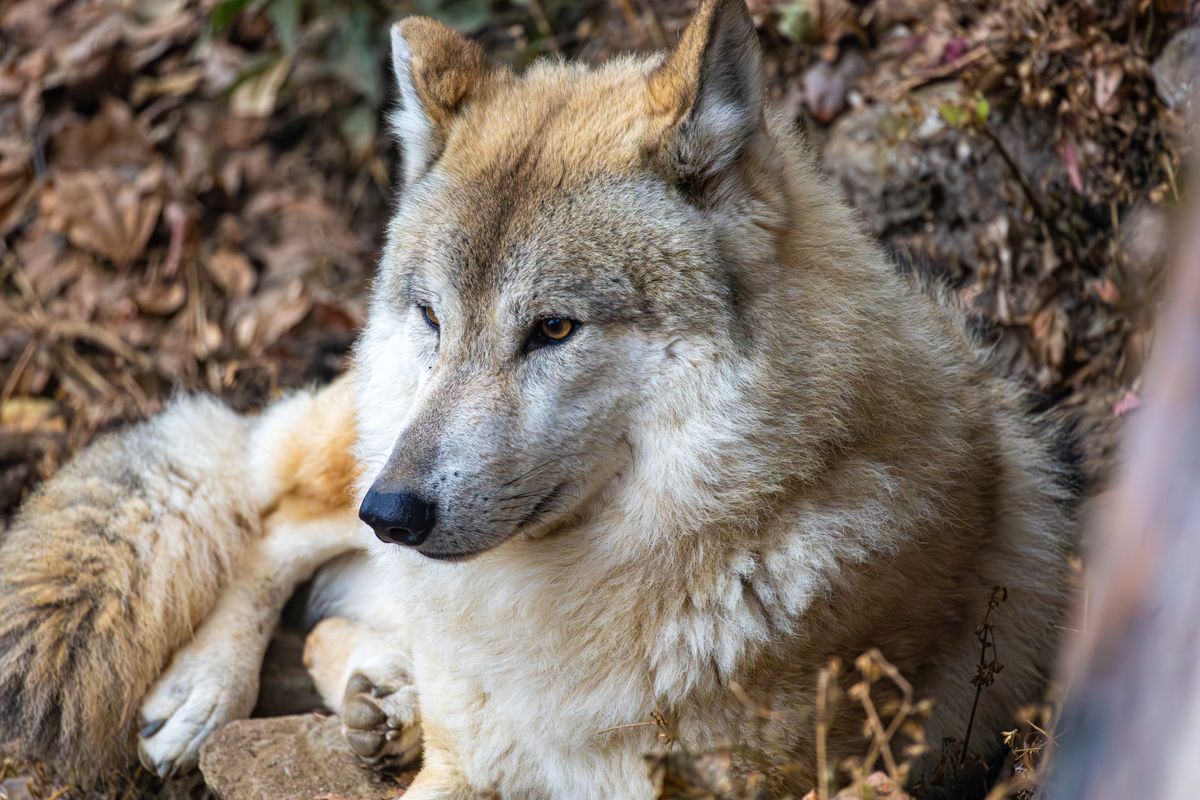
Wolf — The Leader & Loyal Protector
Wolves lead through relationship and loyalty, not dominance alone. A wolf power animal shows up in you when you're the one people trust to go first, to speak the hard truth, to hold the pack safe. You navigate complex social hierarchies with intuition. Under pressure, you think about everyone, not just yourself.
Owl — The Wise Seeker
The owl sees what others miss—in conversation, in patterns, in the unspoken. Your power animal is an owl if you trust your perception even when it's uncomfortable. You ask the right questions. You're willing to look into dark places to understand what's really there. Reflection, not reaction, is your signature move.
Bear — The Grounded Survivor
Bears are solitary, strong, and immovable when it matters. Bear energy appears in you when you face hardship alone, emerge intact, and help others do the same. You have the capacity to go inward, rest, and come back transformed. You're not flashy; you're solid.
Eagle — The Big-Picture Visionary
Eagles see from altitude. Your power animal is an eagle if you're drawn to the long view, the strategy, the "what comes next." You make quick, decisive moves from a place of clarity. You don't get lost in the weeds. You're willing to stand out and soar solo when the vision requires it.
Snake — The Transformer & Renewer
Snakes shed their skin; they embody change. Snake power shows up when you reinvent, when you're not afraid to leave old versions of yourself behind, when you trust the cycle of death and rebirth. You're flexible, sensual, intuitive about timing. You know when to stay still and when to strike.
How the Quiz Works
The power animal quiz asks you 12 questions about how you show up under pressure, how people describe you, what you reach for when you're afraid, and what you admire in others. Each question has 5 answer options, and your selections are scored across the 5 archetypes.
The quiz isn't asking "which animal do you like?" (that would just be preference). It's asking: "How do you actually behave when it matters?" Do you protect others or protect yourself first? Do you reflect or act? Do you stay or transform?
Your result is a personalized power archetype profile that shows:
- Your primary power animal and what it means about how you lead, love, and survive.
- Your secondary power animal (most people are a blend—you might be a wolf-with-eagle-vision or a bear-with-snake-flexibility).
- How others likely perceive you based on that archetype.
- Your shadow side — the edge of that strength when it's misused (wolves can become isolated; owls can become distant; bears can become immovable).
- A personalized reflection on how to claim this power more consciously in your daily life.
Why People Take This Quiz (And What They Discover)
People search for "what is my power animal" for a few reasons:
1. Self-recognition. "I've always felt like a [wolf/owl/bear], and I want permission to own that."
Most people already sense their power animal. The quiz gives them language and validation. It's the difference between feeling like you're "just stubborn" and recognizing yourself as "bear-grounded."
2. Understanding others. "Now I get why my partner and I clash—they're an eagle and I'm a wolf."
Once you know your archetype, you can decode other people's moves. Your eagle partner wants the 30,000-foot view; you (the wolf) want loyalty and immediate safety. Neither is wrong. The archetype language gives you a frame for compassion.
3. Permission to stop apologizing. "A quiz told me I'm a transformer snake. I'm supposed to reinvent myself—I'm not broken, I'm designed for change."
This is the deepest one. The quiz reframes something people often shame themselves for (constant change, solitude, risk-taking, intensity) as a feature, not a bug. It's permission.
4. Branding and self-expression. People share their result because it's a tribal badge. "I'm a wolf 🐺" in your bio says something concrete about how you move through the world.
Power Animals in Psychology and Myth
This isn't new-age fluff. The archetype of the animal as a mirror for human psychology runs deep:
- Jungian psychology uses animal archetypes (the shadow animal, the wise animal) as a way to access the unconscious.
- Shamanic traditions across cultures (Siberian, Scandinavian, South American) use animal guides as a way to access different modes of knowing and power.
- Mythology is packed with animals as stand-ins for human qualities: the raven as trickster, the serpent as healer, the eagle as king.
- Behavioral psychology shows that when people identify with an animal's qualities, they unconsciously begin to embody them—it's a form of powerful self-priming.
Taking the quiz isn't about believing the animal is literally protecting you. It's about using the animal as a symbol to access parts of yourself you already have but haven't named.
FAQ: Questions Real Searchers Ask
What if I don't feel like my result?
Your result reflects how you behave under pressure, not how you see yourself in a mirror. You might identify as a gentle person (true) while having bear-power (you're unshakeable in a crisis). Read your shadow-side section—it often clicks faster than the positive frame.
Can my power animal change?
Yes. You might be an eagle at work (visionary, fast-moving) and a bear in your inner circle (grounded, loyal, slow to move). Some people shift their primary animal as they age or heal. The quiz gives you right now—but your archetype can evolve.
Is this the same as a spirit animal?
No. Spirit animals are sacred, cultural, and often revealed through ceremony in Indigenous traditions. A power animal is a personal strength archetype you claim through self-recognition. We use "power animal" specifically to honor that distinction—see the section above for why it matters.
What does it mean if I'm a snake?
Snakes represent transformation, shedding, renewal, healing, and flexibility. In many traditions, the snake is one of the most powerful animals—it's about change you're choosing, not something that happens to you. If you're a snake power animal, you're someone who evolves consciously and trusts cycles of death and rebirth (literal or metaphorical).
Can I have two power animals?
Most people do. You might be primarily a wolf (loyalty, leadership, protection) but have strong owl-secondary energy (wisdom, perception, reflection). The full quiz result shows your blend and how to navigate both.
How to Claim Your Power Animal
Once you take the quiz and get your result, here's how to actually use it:
- Name it. Say it out loud: "I'm a [wolf/owl/bear/eagle/snake]." Let it land.
- Study it. Spend a week noticing where this archetype shows up in your choices, relationships, and how you handle fear.
- Speak it. Start using the language with people close to you. "That's my wolf-pack instinct kicking in" or "I need some bear-time alone to think."
- Embody it. When you're uncertain, ask: "What would my [wolf/owl/bear/eagle/snake] do here?" It often clarifies faster than your anxious mind.
- Honor the shadow. Every power animal has an edge. The wolf can isolate. The owl can become cold. The bear can get stuck. The eagle can become reckless. Know your shadow and catch yourself when you're overplaying your strength.
The Real Power
Your power animal isn't magic. It's not going to protect you or give you abilities you don't have. What it does is give you a mirror to recognize the strengths you're already using but haven't named. It gives you language to understand why you move the way you do. It gives you permission to stop apologizing for your nature and start building on it.
In a world that constantly tells you to be more of this or less of that, your power animal says: "This is how you're built. This is what you're for. Trust it."
Take the quiz to discover your power animal archetype →
Want a personalized read on this? Discover Your Power Animal — a few minutes, instant results.
Related Articles

You Get Compliments… So Why Do You Still Feel Insecure? The “Attractiveness Paradox” Explained
If compliments don’t make you feel better, you’re not broken—you’re stuck in a predictable psychology loop. Here’s how it works and how to fix it.
The Confidence Tax: Why Being Attractive Can Cost You Peace of Mind
When looking good becomes a responsibility instead of a benefit, confidence turns fragile. Here’s the science—and how to reclaim stable self-worth.

The Compliment Hangover: Why Praise About Your Looks Can Make You Feel Less Confident
If compliments don’t land—or they make you feel anxious—you may be stuck on the validation treadmill. Here’s what’s happening and how to break the loop.