
Why Am I Not Getting Matches on Dating Apps? Find Out What's Actually Holding You Back
Tara Lindqvist
6/28/2026
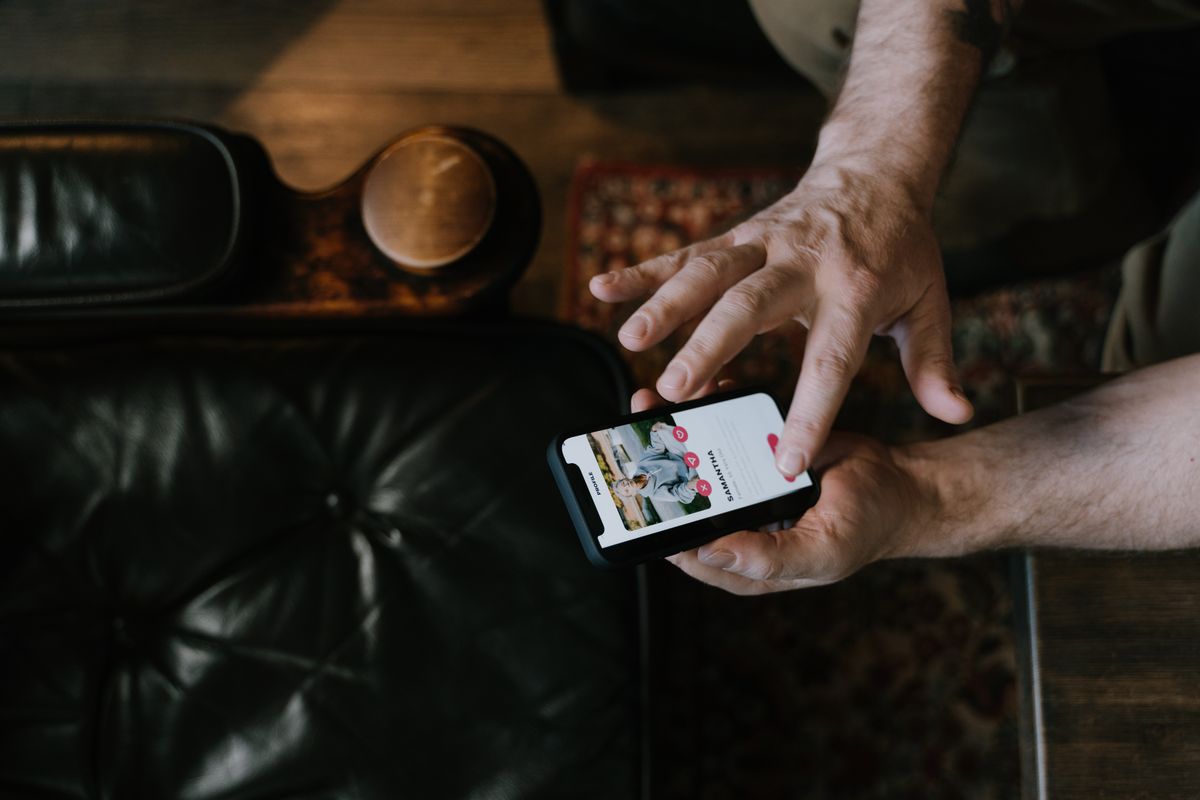
Why Am I Not Getting Matches on Dating Apps? Find Out What's Actually Holding You Back
TL;DR:
- Most dating-match problems aren't about your face—they're fixable profile problems.
- Your first photo has ~0.3 seconds to stop the swipe; bad lighting, group shots, or unsmiling intensity lose 80% of potential matches before they see you.
- A bio that says nothing ("just ask") or overshares red flags tanks your conversion; ask a genuine question instead.
- Algorithm differences: Hinge rewards conversation starters; Tinder rewards swipe velocity; Bumble favors engaged women first. Different app, different rules.
- Mismatched expectations kill match quality: if you're swiping 500 profiles but only have 100 likes, you're aiming too high relative to your profile visibility—a mismatch, not a looks problem.
The Real Reason Matches Aren't Flowing In (Spoiler: It's Usually Not Your Face)
You're in good company. Women rate 80% of men as below-average in attractiveness (per OkCupid's well-known data analysis), and the average male Tinder user gets roughly 1 match per 130–140 swipes versus 1 per 10 for women. The math is brutal. But here's the secret: the men who get matches aren't categorically more attractive—they've optimized for the 0.3-second photo test and written bios that spark curiosity instead of killing it.
Your profile isn't one photo. It's a stack-ranking system: someone scrolls past your first image in a fraction of a second. If it doesn't hook, they never see your bio, your prompts, or your personality. That's the invisible barrier most people are hitting.
The good news? Almost every element is fixable.
The First-Photo Problem (This is Where 80% of Rejections Happen)
One brutal piece of r/hingeapp feedback: "Your first photo gives me 'I'm too much of a cool girl to have fun' vibes." Another: "You look like two different people—classic catfish I'd never swipe right." These comments reveal something real: your first photo isn't just your best angle. It's your only angle for most people.
Common first-photo mistakes:
- Unsmiling intensity. A blank or serious expression reads as standoffish, not mysterious. A genuine smile (even a small one) increases perceived warmth by a measurable margin.
- Group photos as #1. You think it shows you're social. The algorithm thinks "which one is this person?" and downgrades you. A group photo is fine as #2 or #3, not the headline.
- Extreme angles or filters. Fishing in selfies, ultra-close-ups that distort your face, or heavy filters feel like catfishing when the in-person person looks different. Apps penalize mismatch via lower swipe-through.
- The-same-outfit-every-photo problem. If all four photos show you in a navy hoodie from the same angle, people assume it's your only outfit. Variety signals breadth; repetition signals low effort or something to hide.
- No face visible, or half-face. A hat that shadows your eyes, sunglasses indoors, or a sunburnt/blurry face kills the snap judgment. Face-forward, well-lit, no ambiguity.
What works:
- Natural light (golden hour or diffused window light beats harsh overhead).
- A genuine smile or laughing expression (warm beats cool).
- Intentional framing (rule of thirds, not dead-center).
- A unique setting or activity (you at a concert, hiking, a hobby) beats a mirror selfie.
- Variety: one headshot, one full-body, one in context (doing something).
The Bio That Kills ("Just Ask" and Other Conversation Enders)
You match—great. Now she's looking at your profile again, reading your bio, and deciding: "do I want to text this person?" A bio that says "just ask" or "ask me anything" puts the conversational load entirely on her. You've already made her swipe; now you're making her think of a question too. Most won't.
Worse bios:
- "No drama." Every person thinks they don't have drama. You sound defensive.
- "I like pizza and The Office." Everyone likes pizza and The Office. You've given her nothing unique to reply to.
- "Looking for my person." Vague. Desperate. Doesn't invite conversation.
- Oversharing red flags. "Just got out of a 5-year relationship and still figuring myself out" or "recovering from heartbreak" turns a match into pity.
What works:
- A genuine, specific question. "What's a podcast you've listened to so many times you could quote it?" or "Weirdest place you've been on a date?" gives her something to actually respond to.
- A micro-insight about you. "I spend way too much time debating whether pizza should have pineapple" is quirky and invites agreement or debate—both are conversation.
- A light, memorable detail. "I once got lost for 3 hours trying to find a hiking trail and ended up at a Costco." Specificity = personality.
- A forward-facing ask (not a defensive statement). "I'm looking for someone who actually laughs out loud, not just lol," is playful and gives a hint of your bar.
The rule: your bio should make someone think, "I have something to say to this person," not "I should swipe." The swipe happened. Now invite conversation.
Prompts That Repel (When Your Answers Sound Like Everyone Else's)
On Hinge, your three prompts are often the difference between a match and a pass. The algorithm surfaces your answers to people who viewed you or to cold viewers. A prompt answer like "I'm looking for someone who" followed by the same five traits as 100k other users = invisible.
Killer prompt answers:
- Bullet-point lists. "Tall, dark-haired, funny, ambitious." No personality. Reads like a resume.
- Self-helpy virtue signals. "I love traveling, personal growth, and authentic connections." So does everyone. Forgettable.
- Vague ideals. "I'm looking for my soulmate" or "Someone who challenges me." Great, but what does that actually look like with you?
What works:
- Specificity and humor. "I'm looking for someone who won't judge me for eating cereal for dinner and will debate me about whether cereal is soup" (specific, shows humor, invites playful responses).
- Weird or honest vulnerability. "My flaws: I lose my keys at least once a week and I narrate my dog's thoughts in a silly voice" (disarming, memorable, shows self-awareness).
- A statement that invites continuation. "The best dates I've had involved" [specific example], not a trait list. It gives texture and lets someone imagine a date with you.
- Cultural/media references that are personal. "I'm the type of person who rewatches The Office not for the plot but to hear Jim and Pam's banter" is way more interesting than "I like The Office."
Algorithm Mismatch (Different Apps, Different Rules)
If you're getting zero matches on Tinder but decent engagement on Hinge, or vice versa, the algorithm isn't your enemy—it's just not optimized for your profile type yet.
Tinder: Rewards swipe velocity. The algorithm gets better at showing you to people likely to swipe right on you the more you swipe. Paradoxically, a less-picky approach (swiping more, being less strategic) can give the algorithm better signal. The first 100 likes matter most; if you're very selective, you're teaching the algorithm "this person has narrow preferences," so it shows you to fewer people.
Hinge: Rewards conversation starters. Your prompts and a well-written bio get you surfaced to thoughtful searchers. Someone who takes 30 seconds to read your profile is the target. The algorithm punishes ghost matches (matches with no message within 24 hours) and rewards message-within-72-hour converts.
Bumble: Women make the first move. The algorithm favors active women and men who engage (reply quickly, don't ghost). If you're a man getting few matches, it could be Bumble's network effect—fewer women on Bumble than Tinder, and those present have higher-quality expectations. You might just be on the wrong app.
The fix: Spend 2 weeks optimizing your Hinge profile (thoughtful prompts, better first photo) and see if engagement changes. If Tinder is your problem, consider swiping more (give the algorithm more signal) and see if impressions climb. Don't blame the app; read the room.
Expectation Mismatch (The Hardest Thing to Admit)
If you're swiping through 500 profiles but only have 50 likes, and you're regularly swiping right on people who are notably more conventionally attractive than you, your problem isn't your profile—it's your expectation-to-attraction ratio.
This sounds harsh because it is. But it's also not a permanent problem. Here's why it matters:
Every person has a "match gravity"—a realistic pool of people your profile can attract at its current level. If you're swiping strategically within your gravity, matches flow. If you're swiping way above your gravity, you get a handful of matches from people in your tier who took a chance, plus ghosting from people above your tier who were bored.
You can increase your gravity in two ways:
- Improve your profile (better photos, better bio, thoughtful prompts). A genuinely better profile moves your gravity up.
- Be more realistic about your tier. Not forever—but short term, swiping right on people in your current tier builds momentum, matches, and confidence. Momentum changes the game.
The psychological trap: people assume "if I'm not getting matches, I must be ugly," so they either quit or become resentful. But "my profile's gravity is lower than my expectation" is a solvable problem. Improve the profile, or adjust the expectation short-term. Both move you forward.
The Hidden Fourth Factor: Profile Visibility Over Time
Most dating apps show your profile to more people on the first 3–7 days after you join or refresh it. If you haven't changed your photos or bio in 4 months, you're in the long tail of visibility. New profiles and recently-updated profiles get the algorithm's push.
The hack: Delete and rejoin monthly (annoying but effective). Or refresh your photos and bio even slightly. A new first photo + a rewritten prompt = the algorithm treats it as nearly-new and resurfaces you.
Where Are You Actually Stuck? (The Diagnostic)
Take our diagnostic quiz: is it your photos, bio, prompts, algorithm, or expectations? It walks through your situation and pinpoints which lever to pull first.
Most people find out their first photo is costing them 60% of potential matches. A few discover their bio is written defensively. A smaller group realizes they're swiping too high. Once you know, the fix is concrete.
FAQ
Why do women get more matches than men?
Due to user distribution and strategy. Dating apps skew male (roughly 2:1 men to women on most platforms). Additionally, women often swipe more selectively, so each swipe is higher-intent. Men swipe rapidly, which means fewer quality impressions per person viewed. The math compounds—even an equally attractive woman matches more often just by volume ratios. This is structural, not personal to your face.
Does the algorithm penalize me if I get rejected a lot?
Yes, inversely. If you swipe right on 100 people and get 2 matches, the algorithm learns "this person's taste is very broad or misaligned with who's interested in them," and it shows you to fewer people. Conversely, if you swipe right on 20 people and get 10 matches, the algorithm learns you have a coherent type and good intuition, and it surfaces you more. This is why being slightly more selective, not less, can help.
Should I use the same photos across all apps?
No. Tailor to the app's culture. Hinge skews toward thoughtful, context-rich photos (you at a museum, cooking, a hobby). Tinder skews toward conventionally attractive, high-contrast, clear-face photos. Bumble is middle ground. Your best Hinge photo might be your worst Tinder photo. Adapt.
What if I'm in a very small town or underrepresented demographic—is it hopeless?
No, but the pool is real. If you're in a small town, you might genuinely have 30 total profiles to swipe on (vs. 3,000 in a city). Expand the radius slightly; consider traveling to nearby cities for dates. If you're an underrepresented demographic, you might face algorithm bias (apps' recommender systems are trained on majority demographics). You can't fix this app-side; you can counter it with an exceptionally strong, personality-forward profile that stands out. An FAQ on something interesting about your culture or background can help.
How often should I refresh my photos?
Minimum: every 3–4 months. Ideally, at least your first photo every 2 months (it's the highest-leverage asset). New photos signal "active user," which apps reward. Stale photos signal "ghost profile," which they deprioritize.
Is it OK to ask friends to rate my profile?
Yes—but with a caveat. Friends will judge based on whether they think you're attractive, not whether your profile is strategically strong. Ask them: "Would you swipe right if you didn't know me?" and "What's the first thing you notice?" If they say "your smile" or "those hiking photos," good signal. If they say "I don't know who you're looking for," that's your bio. If they say "you look different in each photo," that's a consistency problem.
The Bottom Line
You don't have a face problem. You have a profile-optimization problem. Profile-optimization problems are solvable in 72 hours.
Take the dating profile diagnostic quiz. Find out which lever (photos, bio, prompts, algorithm, expectations) is actually holding you back. Then fix it. The matches will follow.
Want a personalized read on this? Diagnose Your Dating Profile — a few minutes, instant results.
Related Articles
Your Dating Profile Is Quietly Repelling Great Matches—Here’s the 8-Part Fix (Backed by Science)
Most profiles fail for predictable reasons: weak first impression, vague bio, and zero conversation hooks. Here’s the science—and the fix.
Your Dating Profile Is Being Judged in 0.1 Seconds—Fix These 7 Things (Then Grade It)
Most profiles fail for predictable reasons: the wrong first photo, vague prompts, tiny “trust leaks,” and avoidable text mistakes. Here’s how to fix yours—fast.

Why Your Dating Profile Isn’t Getting Matches (And the 8 Signals Apps Actually Rank You On)
Your dating profile is being judged by invisible rules. Learn the psychology behind swipes and how to optimize the 8 traits that matter most.