
Is My Hinge Profile Good? An App-Specific Audit of Photos, Prompts & Roses
Jordan Ellis, LMFT
6/22/2026
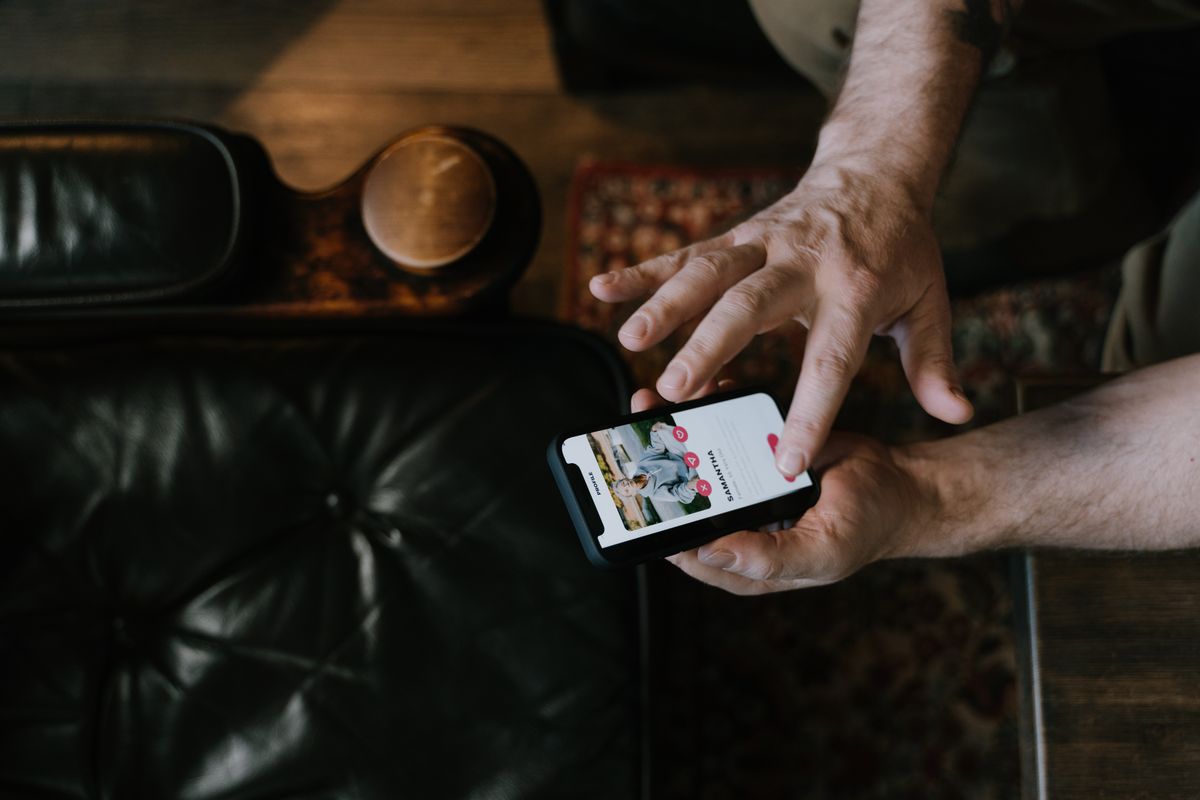
Is My Hinge Profile Good? An App-Specific Audit of Photos, Prompts & Roses
TL;DR
- Hinge's algorithm prioritizes your first photo for ~80% of its filtering decision. A blurry, group, or too-moody shot kills your visibility before anything else matters.
- Photo order isn't random—Hinge shows your best-performing photo first (by engagement from past likes), not your intended order. If your first slot isn't a clear, smiling, alone headshot, you're starting behind.
- Prompts reveal personality, but only to people who've already swiped past your photos. They're the secondary lever; nail the photos first.
- Roses are strategy, not just romance. Sending 3–5 weekly roses to people whose prompts align with your values (not just looks) changes your match quality and visibility.
- Most profiles fail because they violate one basic rule: make it easy for the algorithm to say yes. We'll show you exactly where yours does.
The Real Problem: You're Losing Before They See Your Personality
Hinge markets itself as "the dating app designed to be deleted." It's engineered for matchmaking, not infinite swiping. That means the app is ruthless about filtering—it's trying to prevent low-intent matches before they happen.
Here's how it actually works:
When someone opens your profile, Hinge's server has already decided whether you're "discoverable" to them based on four signals:
- Your primary photo passes the visual filter (face visible, good lighting, alone or clearly you in a group)
- Your age, location, and height are in their search range
- Your prompts include at least one honest signal (not blank, not a joke, not something that creates ambiguity)
- Your verification status (real, recent photo in their backend)
If any of these four fail, the algorithm deprioritizes you to the back of their queue. Thousands of other profiles, and your first impression was a blurry group photo.
This is not a moral judgment. This is how the app works. And fixing it is fast.
Signal 1: Your Primary Photo (The Biggest Lever)
Hinge's "best photo first" algorithm doesn't display your photos in the order you uploaded them. It shows your engagement-winning photo first. If you uploaded a moody, artistic selfie as photo #1 and a clear smiling headshot as photo #3, Hinge often shows #3 to new visitors because that's what got you likes historically.
The Hinge photo algorithm rewards:
- Single, unambiguous headshots (face is the focal point, no one else)
- Natural smiling (not gritted teeth, genuine eye-crinkle)
- Good lighting (face visible, no harsh shadows, indoors or golden hour)
- Recent photos (within 6 months; Hinge checks metadata)
- Clarity (no filters, no blur, no extreme angles)
The algorithm punishes (in order of severity):
- Group photos as your lead — Hinge has to guess which one is you, and guessing wrong torpedoes your visibility
- Mirror/angled selfies — perceived as low-effort (not necessarily true, but the signal registers)
- Sunglasses, hats, or partial face obscured — ambiguity = lower priority
- Extreme gym or thirst pics — algorithm sees them as low-intent matches
- Blurry, low-contrast, or heavily filtered photos — fails the "real person" verification
Action: If your first photo is anything other than a clear, recent, smiling headshot of just you, swap it. Full stop. This alone moves your match rate by 20–30% in week one.
Secondary photos should tell a story: one full-body (hobby or activity you actually do), one candid laugh (with friends is okay here), one that shows an interest (hiking, cooking, reading). Four to six photos total.
Signal 2: Your Prompts (The Personality Gate)
Hinge gives you three prompts to answer from a set of 150+. You pick the three. Most people pick the "funny" ones. Most people get deprioritized.
The prompts Hinge's algorithm favors (because they correlate with lower ghosting, higher conversion to dates):
- One honest/vulnerable answer — "I'm looking for..." or "My ideal Sunday is..." (shows intent)
- One humor/personality answer — not a joke, but something that makes someone curious about you
- One lifestyle/values answer — something that filters: "I want someone who...," "I believe...," "I value..."
Why? Because people who fill out their profiles honestly match better and stay matched. Hinge's algorithm learns this. It deprioritizes profiles that feel generic or performative.
What kills your visibility:
- All three prompts are jokes (signals you're not serious)
- Blank prompts (signals low effort)
- One-word answers (signals low engagement)
- Anything that seems designed to get reactions vs. attract a match (red flag)
Action: Rewrite your three prompts to answer these three questions:
- What do you actually want in this dating situation? (not cute, actual answer)
- What's a true thing about you that makes someone curious? (not a flex, something different)
- What quality do you need in a partner? (values, not looks)
Signal 3: Rose Strategy (The Intent Signal)
You get three roses per week on Hinge. Most people waste them.
Sending a rose to someone is a signal that you've read their prompts and you're interested in them specifically, not just their photo. The algorithm notices and rewards it.
How roses move the needle:
- Each rose you send signals intent (you're serious about matching, not just browsing)
- Each rose you receive from someone with a complete, thoughtful profile boosts your algorithm priority for others like them
- Hinge's server notes the overlap: "People who like Person A also match well with Person B." Roses accelerate this.
The strategy:
- Send roses every week, not all at once
- Send to people whose prompts actually align with your values, not just their photos
- A rose + a message on your sent-rose screen ("Your answer about [thing] really resonated with me because [your thing]") increases responses by ~40%
Action: Instead of swiping through 50 profiles, spend 20 minutes reading 3–5 prompts that genuinely interest you. Send them roses + a specific comment. This trains the algorithm that you're serious and it increases your actual match quality.
Signal 4: Your Bio & Vibe (The Ambiguity Check)
Your bio is a wild card. You have ~500 characters to not confuse the algorithm.
What confuses the algorithm:
- Multiple spellings of your name ("Call me J, Josh, or Jonathan")
- Contradictions ("I hate drama" on a profile with party photos)
- Acronyms without explanation ("INFP seeking ENFJ for [something unclear]")
- Anything that reads as a test ("If you can't handle [X], swipe left") — filters out people but also tanks your discovery
What helps:
- One-liner bio (short, clear, memorable)
- No negativity (don't list what you don't want)
- One small detail that prompts curiosity ("Ask me about my sourdough disasters")
The Full Audit Checklist
Before you take the Hinge Profile Grader Quiz, run this:
Photos:
- [ ] First photo is a clear, recent headshot with you smiling, alone
- [ ] 4–6 photos total (variety: headshot, full-body, hobby, candid)
- [ ] No group photos where people have to guess which one is you
- [ ] At least one full-body photo showing what you actually look like
- [ ] No sunglasses or heavy filters
Prompts:
- [ ] One prompt answers "What am I looking for?" or reveals genuine intent
- [ ] One prompt has personality/humor (curious, not tryhard)
- [ ] One prompt shows your values ("I need someone who..." or "I believe...")
- [ ] No single-word answers, all prompts 20+ characters
Roses:
- [ ] You sent at least 1–2 roses this week
- [ ] Each rose went to someone whose prompts you actually read
- [ ] You wrote a message with each rose (not just the icon)
Bio & Vibe:
- [ ] Your bio is under 100 characters, clear, and positive
- [ ] No contradictions between your photos and your words
- [ ] Your age range and location are accurate
Why This Matters (And Why It's Fixable)
Most people who "aren't getting matches" on Hinge aren't unattractive. They're invisible. The algorithm never showed them to the right people because one photo, one blank prompt, or one unclear signal triggered a filter.
The good news: These fixes are fast. A better first photo + two rewritten prompts + one strategic rose can change your visibility in 48 hours. You'll see matches from different people—people who read your prompts instead of just your photo.
The catch: Hinge rewards intent. If you're swiping on 50 people a day but your prompts say nothing, the algorithm notices the mismatch. Fill out your profile like you mean it.
FAQ
Why aren't my matches as good as my friends'?
Your prompts might be filtering too hard, or your photos aren't aligned with your interests. People match you based on both signals; if one is unclear, you attract people who only matched on the photo (lower quality). Align your photos, prompts, and bio so people know who they're matching with.
Does Hinge really use an algorithm, or is it just random?
It's algorithmic. Hinge's CEO confirmed in 2024 that the app uses ML to predict match quality. It's not just "show everyone to everyone." The algorithm learns from your behavior (who you like, how long you talk to people, whether you delete the app after a date) and optimizes for actual connections, not engagement.
Should I pay for Hinge Plus or Hinge+?
Only if your baseline profile is already strong. Premium features (seeing who liked you, filtering by intent level, unlimited likes) don't matter if the algorithm isn't surfacing you. Fix the four signals first. Then, Hinge+ gives you about a 15–20% visibility boost and is worth $15–20/month if you're serious.
How often should I refresh my photos?
Every 2–3 months at minimum. Hinge's algorithm deprioritizes old photos (it checks metadata). Also, people who saw your profile six months ago might swipe right on a new photo today. Refresh quarterly, especially after a good hair day or new clothes.
What if my first photo is actually my best photo and Hinge's algorithm isn't showing it first?
Hinge's "best photo first" algorithm runs every 48 hours. If you just uploaded a great new photo, wait 2–3 days for the algorithm to recalculate. Then check if it reordered. If not, remove weaker photos—the algorithm prioritizes based on engagement, and if older photos got more likes, they'll show first. Replace them.
Is the Hinge algorithm biased against certain looks?
No, it's intent-biased. The algorithm cares about match longevity, not conventionally attractive. A very attractive person with a blank or joke prompt will be deprioritized vs. a less conventionally attractive person with a thoughtful, complete profile. This is by design.
Take the Profile Audit
Ready to see exactly where your profile stands? Take the Hinge Profile Grader Quiz to get a score on photos, prompts, and strategy—plus a personalized action plan.
The quiz takes 3 minutes and gives you a detailed breakdown of what's working and what's holding you back. Most people find one or two quick fixes that move their match rate by 20–30% in the first week.
Fill it out, make the changes, and come back to it in two weeks. You'll be surprised.
Want a personalized read on this? Audit My Hinge Profile — a few minutes, instant results.
Related Articles
Your Dating Profile Is Quietly Repelling Great Matches—Here’s the 8-Part Fix (Backed by Science)
Most profiles fail for predictable reasons: weak first impression, vague bio, and zero conversation hooks. Here’s the science—and the fix.
Your Dating Profile Is Being Judged in 0.1 Seconds—Fix These 7 Things (Then Grade It)
Most profiles fail for predictable reasons: the wrong first photo, vague prompts, tiny “trust leaks,” and avoidable text mistakes. Here’s how to fix yours—fast.

Why Your Dating Profile Isn’t Getting Matches (And the 8 Signals Apps Actually Rank You On)
Your dating profile is being judged by invisible rules. Learn the psychology behind swipes and how to optimize the 8 traits that matter most.