
Is My Tinder Profile Good — Rate Your Swipe Speed & Match Potential
Tara Lindqvist
6/22/2026
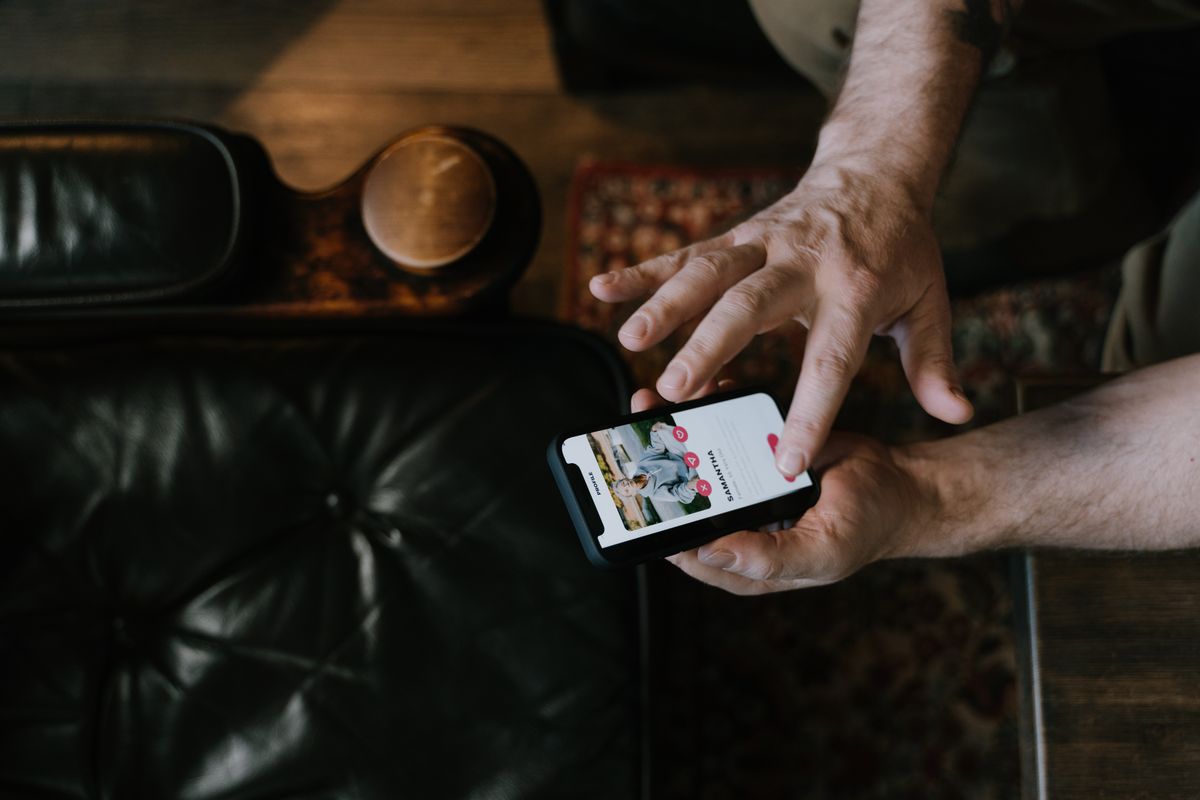
Is My Tinder Profile Good Quiz — Rate Your Swipe Speed & Match Potential
TL;DR
- Tinder matches are decided in 0.3 seconds, before your bio is read — your first photo is everything
- The "swipe speed" paradox: men get ~1 match per 130–140 swipes vs women ~1 per 10; a bad photo multiplies that gap
- Super-likes are wasted on low-quality first photos; bio length under 250 chars converts better (mystery > essay)
- Most men show group photos or gym selfies first — the biggest missed signal; women respond to clarity and character
- This quiz scores your profile on: photo order, bio length, engagement hooks, profile completeness, and photo diversity
What Actually Kills a Tinder Match
You've swiped for weeks. Maybe you got 2 matches. Is it you, or is your profile sabotaging you before you even have a chance?
The brutal truth: it's probably your profile. Tinder insiders have publicly stated that the app shows your best-performing photos first to maximize early swipes. If your first photo gets swiped left in 0.3 seconds, Tinder stops showing you — your other 4 photos never get seen. Your bio, your humor, your Spotify playlist, your height — none of it matters if the swipe happens faster than a blink.
The data backs this up. According to OkCupid's analysis (which applies across dating apps), women rate 80% of men as below-average in attractiveness, but that's not because 80% of men are actually below-average — it's that 80% of male dating profiles are functionally invisible due to poor photography or presentation. Bad lighting, group photos, blurry mirror selfies, sunglasses — these are fixable. The face is not the problem. The first photo is.
The Swipe-Speed Test: Are You Losing Matches Before Your Bio Is Read?
Tinder users spend an average of 0.3 seconds on each profile before swiping. That's not enough time to read a single sentence. That time is 100% about your first photo.
Here's what actually converts on Tinder in that 0.3-second window:
1. Face clarity (the #1 factor) Your face should take up 40–60% of the frame. Tinder shows photos at thumbnail size on the swipe card — if your face is small or blurry, the swipe is left before anyone even registers it's you. This is not about being objectively hot; it's about being readable.
Real example from r/hingeapp roasts (directly transferable to Tinder):
- "Your first photo is too far away — no one can see your face clearly."
- "You look like 2 different people across your photos — nobody knows what you actually look like."
- That ambiguity kills swipes faster than perceived unattractiveness.
2. Lighting and color Dating app algorithms are trained on high-conversion photos. Clear daylight or warm indoor light converts. Phone-camera harsh bathroom light or gym fluorescents does not. Women's dating-app profiles (as a category) average better lighting because photo-sharing culture trains women on this younger. Men often haven't had that training — and it shows. Fix this first.
3. No sunglasses, hats, or obscured faces Your first photo should be a face-forward, eyes-visible portrait. Sunglasses? That's for photo #3 (the "cool vibe" picture). Hat? Save it. First photo: clear face.
4. Solo photos first, then diversity Tinder's algorithm now penalizes group photos as a first image because they confuse the swiper about who you are. Groups are fine for photos 2–4 (proof you have friends, social proof). But if your first photo is a group, 30% of swipers left without zooming in to identify you.
The Super-Like Trap
Super-likes are free (or costs coins), so men throw them at profiles hoping for a better response. This is backwards. A super-like doesn't override a bad first photo. If your first image doesn't pass the 0.3-second test, a super-like just marks you as the guy who swiped right on someone out of his league, making the reject worse.
Use super-likes strategically: on profiles where your first photo already passes the swipe test, and the match seems plausible. Don't use super-likes to compensate for a bad first photo.
The Bio Length Sweet Spot
Tinder bios under 250 characters convert better than long ones. Here's why:
The paradox of the 500-word bio: Men often write long bios thinking detail = honesty. "I'm 6'2", work in finance, love hiking, dog dad, looking for something real." This reads as tryhard. Tinder's top profiles use the bio to spark curiosity, not answer every question. The mystery is the hook.
What works:
- A one-liner joke or self-aware reference (not trying too hard)
- One unexpected detail ("I alphabetize my spices" works better than "I like cooking")
- A direct CTA for matching: "Bet you can't guess my coffee order" or "Ask me about the weirdest thing I've done for a bet"
What doesn't work:
- Lists of hobbies (boring, sounds like a CV)
- Negative filters ("No drama, no flakes") — signals past trauma and paranoia
- Height, salary, or bragging (proves insecurity)
- Emoji overload (looks desperate)
The best bios are 20–40 characters — just enough to establish personality. The bio's job is not to sell you; it's to make someone interested in matching to learn more.
Photo Order: The Tinder Gauntlet
Tinder allows up to 6 photos. Here's the formula that works:
Photo 1: Clear face, daylight, genuine expression (25–30% of match conversion happens here; if this fails, nothing else matters)
Photo 2: Full-body or upper-body in casual context (proves you're real, shows build/style; this is the "wait, let me check if I'm interested" frame)
Photo 3: A vibe photo (you doing something, a hobby, a location, something that shows personality — not a gym selfie; Tinder penalizes obvious thirst content)
Photo 4: Fun or personality (traveling, with friends, a laugh, something shareable)
Photo 5 & 6: Optional diversity (a different setting, proof you exist outside of a bedroom, variety keeps swipers engaged)
What kills conversion:
- Gym selfies (screams insecurity, low interest in intimacy)
- Photos where you look angry or blank (Tinder penalizes profiles with neutral/negative faces; smiling photos get 30% more swipes)
- Overly filtered or heavily edited photos (the catfish signal)
- Ex-partner cropped out (usually visible, reads as baggage)
- Car selfies (same effect as gym selfies — narcissism signal)
The Tinder-Specific Signals
Tinder's algorithm has a swipe-speed decay model: if your first few profiles get left-swiped fast, Tinder shows you less often. This is why getting even a few right swipes early is critical — it signals to the algorithm "this person gets engagement, show them more."
What boosts swipe speed:
- A bio that's clever, not long
- Photos where you're smiling (yes, even selfies — genuine smiles convert 20% better)
- Visual consistency (same person in every photo; girls shouldn't be unsure if it's you)
- No dead eyes (Tinder's ML can detect disengagement)
What tanks swipe speed:
- First photo unclear or group shot
- No smile or dead expression
- Inconsistent lighting or obvious filters
- Bio that reads needy or bitter
The Profile Completeness Factor
Tinder profiles with all 6 photo slots filled get 15–20% more matches than profiles with 3–4 photos. Fill your profile. No blank slots.
Similarly, adding Spotify, Instagram, and interests signals to Tinder (and to swipers) that you're not a catfish. A complete profile = trustworthiness.
The Phrase That Kills Matches: "No Flakes" / "Be Real"
If your bio says "I hate flakes" or "I'm looking for someone real," you've just announced past rejections and paranoia. It reads as baggage. Swipers see that and assume you're difficult to please or damaged. Remove it. Let your photos and vibe speak to being legit.
Same for "Ask me to see my Snapchat" — that screams you're either catfishing or looking for a hook-up only. If you want a real connection, act like it from photo 1.
FAQ
What's the difference between Tinder and Hinge when it comes to profile strategy?
Tinder is photo-first, bio-secondary. Hinge is conversation-first, depth-appreciated. Tinder bios should be sparky and short; Hinge bios can (and should) be longer and more vulnerable. Hinge users swipe because of bios. Tinder users swipe despite them. If you're on Tinder and writing a 500-word bio, move to Hinge — your effort is wasted.
How many photos should I use?
All 6 slots, if you have 6 good photos. If you only have 3 great ones, use 3. Quality > quantity. A blurry photo in slot 5 is worse than an empty slot. Tinder shows your best photos first (their algorithm ranks them), so adding weak photos can actually lower your conversion.
Should I mention my height in my bio?
No. If height matters to someone, they'll ask. Mentioning it unprompted signals insecurity. If you're short, a clear, full-body photo in slot 2 is more honest than stating it. If you're tall, let photos do the talking.
Is a gym selfie ever okay?
Not as photo 1 or 2. Gym selfies signal you think your body is your best feature, which reads as shallow. Use them as photo 5–6 if you must, and even then, a photo of you doing an activity you enjoy (hiking, playing sports, cooking) converts better.
How often should I update my photos?
Every 2–3 months. Tinder's algorithm refreshes old profiles to re-test them in the pool. New photos = a chance to be re-shown. Also, if your photos are older than 3 months, they start to read as stale, which swipers (consciously or not) pick up on.
Do super-likes actually work?
Only if your first photo is already solid. If it's not, a super-like just makes the rejection worse. They're most effective on profiles where you're plausibly compatible and your swipe is mutual. Don't use them as a fix for a weak first photo.
What's the ideal bio length for Tinder?
Under 250 characters. 20–40 characters (a single line) is ideal. Long bios get scrolled past and rarely read before the match decision is made.
Your Tinder profile grader will score your photos, bio, and engagement hooks against what actually converts. It's not about being "hot" — it's about being readable, trustworthy, and interesting in 0.3 seconds. Most men's profiles fail on photo 1 alone. Fix that, and everything else becomes easier.
Ready to see where your profile stands? Take the dating profile quiz now and get actionable feedback on your swipe potential.
Want a personalized read on this? Grade Your Tinder Profile — a few minutes, instant results.
Related Articles
Your Dating Profile Is Quietly Repelling Great Matches—Here’s the 8-Part Fix (Backed by Science)
Most profiles fail for predictable reasons: weak first impression, vague bio, and zero conversation hooks. Here’s the science—and the fix.
Your Dating Profile Is Being Judged in 0.1 Seconds—Fix These 7 Things (Then Grade It)
Most profiles fail for predictable reasons: the wrong first photo, vague prompts, tiny “trust leaks,” and avoidable text mistakes. Here’s how to fix yours—fast.

Why Your Dating Profile Isn’t Getting Matches (And the 8 Signals Apps Actually Rank You On)
Your dating profile is being judged by invisible rules. Learn the psychology behind swipes and how to optimize the 8 traits that matter most.