What Is My Spirit Animal? Meaning, Origins & How to Find Yours
Dr. Ines Moreau
6/28/2026
What Is My Spirit Animal? Meaning, Origins & How to Find Yours
TL;DR
- A spirit animal is a symbolic creature that represents your core personality traits, strengths, or life purpose
- The concept originates in Indigenous North American and worldwide spiritual traditions
- Your spirit animal can reveal hidden strengths, guide decision-making, and deepen self-awareness
- Multiple methods exist to discover yours: reflection, observation, or interactive assessment
- The connection is metaphorical and personal—no "wrong" answers
What Does "Spirit Animal" Actually Mean?
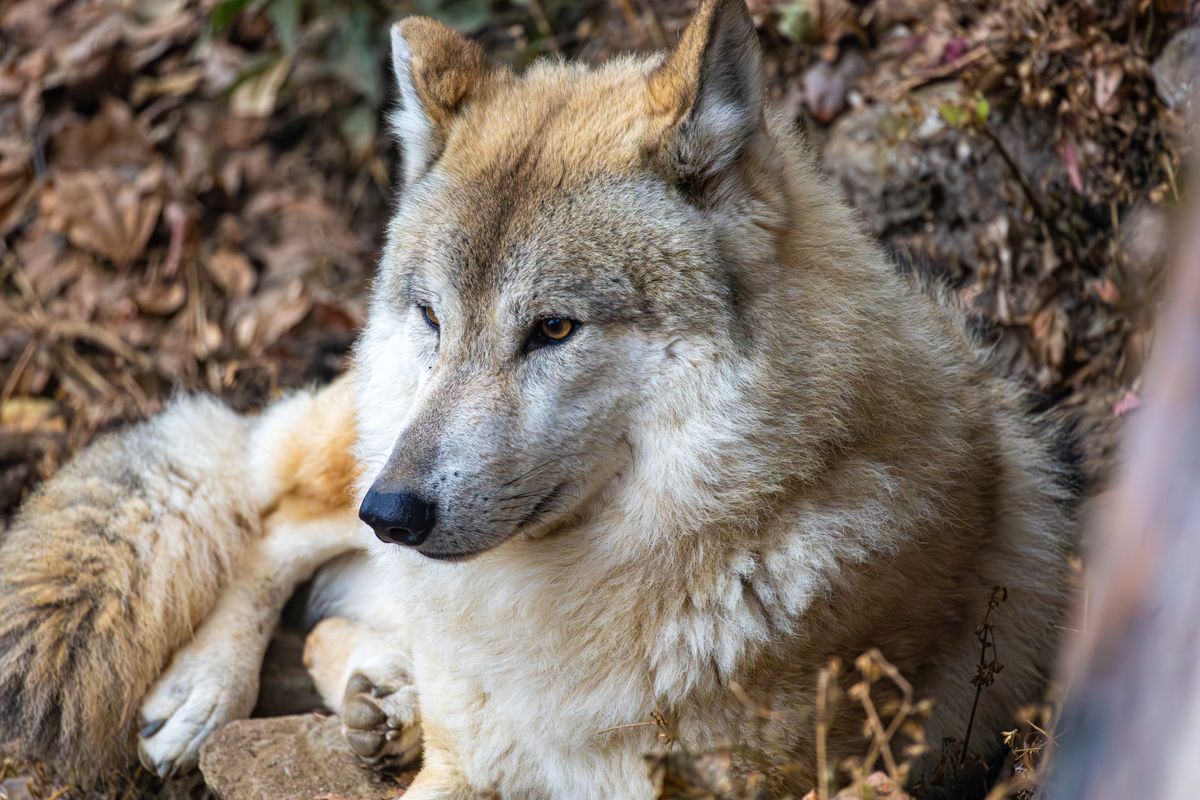
A spirit animal is a symbolic guide—an animal whose natural traits, behaviors, and mythology mirror qualities within you or qualities you're meant to cultivate. It's less about literal reincarnation and more about archetypal resonance: a wolf might symbolize loyalty and family bonds; an eagle, vision and perspective; a bear, strength and introspection.
The term has roots in Indigenous North American spiritual traditions, where shamans and wisdom keepers recognized animal guides as extensions of a person's inner nature. In modern usage, the concept has broadened globally as a tool for personality reflection and self-discovery. Your spirit animal isn't something you choose—it's something that reveals itself through your natural affinities, the creatures you're drawn to, and the qualities you admire most.
Where Does the Spirit Animal Concept Come From?
Spirit animals appear across cultures worldwide, though the term itself carries specific roots:
Indigenous North American traditions: Among many First Nations peoples—including Lakota, Cherokee, and Inuit cultures—animal guides were (and are) understood as spiritual allies offering wisdom, protection, and direction. Vision quests, dreams, and meditative practices helped individuals recognize their guide. These weren't casual identifications; they were deeply personal spiritual connections integral to tribal identity and life purpose.
Global parallels: Similar animal-guide concepts exist in Siberian shamanism, Hinduism (animal totems linked to deities), Celtic traditions (animal totems in mythology), and Japanese folklore (animal spirits called kitsune and tanuki). The universality suggests humans have long recognized the power of animal symbolism to encode universal human experiences.
Modern secularization: In contemporary Western culture, spirit animals have become a tool for personality exploration and self-reflection rather than strictly spiritual practice. This shift opens access to the concept while sometimes divorcing it from its original spiritual context.
The Difference Between Spirit Animal, Power Animal, and Animal Totem
These terms are often used interchangeably, but they carry subtle distinctions:
Spirit Animal: An animal guide that appears to you, often unsought, embodying qualities relevant to your life journey. It may change over time or reveal itself during pivotal moments.
Power Animal: A creature whose strengths you consciously call upon or invoke for protection, courage, or transformation. Power animals are more intentionally activated; you might "call" a bear's strength before a difficult conversation.
Animal Totem: Historically, a symbolic representation of a tribe, family, or clan—often carved or painted. While individual people have spirit guides, totems often represent collective identity.
For practical purposes in modern self-discovery, these labels overlap, and your spirit animal likely functions as both guide and source of power.
Signs You've Recognized Your Spirit Animal
Many people report their spirit animal reveals itself through:
Repeated encounters: You notice a particular animal appearing in your life—in dreams, synchronistic meetings, overheard conversations, or wildlife sightings—over weeks or months. A deer keeps appearing; you dream of wolves; you find feathers in unexpected places.
Instant resonance: You read an animal's qualities and think, "That's completely me." No external prompt needed—you recognize yourself in the description.
Behavior mirroring: You notice you naturally embody the animal's way of being. If your spirit animal is an octopus, you're adaptable and creative. If it's a lion, you're naturally protective of your loved ones and hold space with quiet confidence.
Attraction during transitions: Spirit animals often reveal themselves during life changes—career shifts, relationship endings, moving homes. The animal's qualities align with what you need to navigate the transition.
Dream prominence: The animal appears in recurring or vivid dreams, especially if the dream feels meaningful or emotionally resonant upon waking.
How to Discover Your Spirit Animal
Method 1: Reflection and Observation
Ask yourself:
- Which animals have you always felt drawn to? (Even as a child—this often matters.)
- What qualities do you most admire or naturally embody? (Then research animals associated with those traits.)
- What creature appears in your dreams or recurring thoughts?
- Which animal's way of living—solitary, communal, nocturnal, bold—matches your instinctive nature?
- What animal would you want to be, and why?
Often, the answer arrives with a quiet certainty rather than intellectual debate. The animal you're seeking is already present in your imagination.
Method 2: Meditation or Guided Visualization
In a quiet space, close your eyes and ask: "What animal guide is present for me now?" Breathe slowly and wait. Images, sensations, or knowledge may arise. Trust the first impression, even if it seems unexpected. Some people journey to a forest or field in their mind's eye and observe which creature appears or calls to them.
Method 3: Birth Chart or Numerology
Some systems assign animals to zodiac signs or life-path numbers. While less personally validating than self-discovery, these can offer a starting point for reflection. An Aries (ruled by Mars) might explore the ram; a Pisces, the fish. You can then deepen by asking whether the assigned animal resonates with your lived experience.
Method 4: Interactive Assessment
A spirit animal quiz cuts through overthinking by asking targeted questions about your personality, strengths, and values. In minutes, you'll have a curated result with detailed traits and guidance—and the space to confirm or adjust based on your intuition. Many find this method clarifying, especially if you're torn between multiple animals.
What Your Spirit Animal Reveals About You
The Wolf speaks to loyalty, intuition, and pack mentality. If a wolf is your guide, you likely prioritize community and trust your instincts fiercely.
The Eagle embodies vision, perspective, and courage. Your spirit animal eagle suggests you see the broader picture and aren't afraid of heights—literal or metaphorical.
The Bear represents strength, introspection, and groundedness. Bears often guide people who balance outer power with inner wisdom and need permission to rest.
The Owl symbolizes wisdom, night vision, and silent knowledge. An owl guide indicates you see what others miss and thrive in mystery.
The Butterfly reflects transformation, delicacy, and rebirth. If you're a butterfly person, change excites rather than scares you.
The Lion signifies courage, leadership, and presence. Lions guide those who hold space, protect others, and carry quiet authority.
The Raven speaks to intelligence, magic, and shadow work. Ravens help guide people who aren't afraid to explore the darker, more complex aspects of life and self.
The Deer embodies gentleness, alertness, and grace. Deer guides often appear to sensitive, intuitive people who need reminding that gentleness is a strength.
Your spirit animal's traits aren't a limitation—they're a permission slip. If your guide is a sloth, that's not a diagnosis of laziness; it's permission to honor your pace and the value of presence over productivity.
Common Questions About Spirit Animals
Can you have more than one spirit animal?
Yes. Many traditions recognize a primary guide plus secondary or temporary guides for specific life seasons. You might have a lifelong companion and encounter different animals during periods of growth or challenge.
Can your spirit animal change?
Absolutely. Your primary guide might shift after a major life event, or you might outgrow one as you evolve. Some people report discovering their true guide only after years of living with the "wrong" one.
What if you identify with an extinct or mythical creature?
Trust it. If you resonate with a phoenix, dragon, or unicorn, the symbolism and qualities are real even if the animal isn't. Mythology exists because it speaks to universal human truths.
Is it disrespectful to use "spirit animal" if I'm not Indigenous?
This is debated. Some Indigenous teachers welcome broader use as spirit work becomes global; others see it as appropriation. The safest approach: honor the concept's origins, approach it with reverence (not frivolity), and consider using "spirit guide" or "kindred animal" if you're uncertain. Most importantly, don't claim Indigenous spiritual authority if you're not Indigenous.
What if I don't believe in spirituality? Can I still benefit?
Completely. You can treat your spirit animal as a metaphorical mirror—a personality framework that helps you understand yourself more deeply. The psychology of symbolic identification is real whether or not you believe in literal spirits.
Moving Forward With Your Spirit Animal
Once you've identified your guide, stay curious:
Research its traits and mythology. What else might it be teaching you?
Reflect on timing. Why does this animal feel relevant now? What life chapter are you entering?
Keep symbols close. Some people wear jewelry, tattoo, or place artwork honoring their guide—a visual reminder of the qualities it represents.
Let it evolve. Your understanding will deepen. An animal you dismissed at 20 might become profoundly meaningful at 35.
Trust the resonance. Your spirit animal isn't a diagnosis or a destiny—it's a mirror reflecting back the strength, wisdom, and magic already within you.
Ready to discover yours? Take the spirit animal quiz to explore which guide resonates with your unique nature and life path.
FAQ
What's the most common spirit animal?
Wolves, eagles, and bears consistently rank highest in Western culture, likely because their archetypal qualities (loyalty, vision, strength) are universally resonant. However, rarer animals like owls, foxes, and ravens often have the deepest personal significance for those they guide.
How do I know if I've truly found my spirit animal or if I'm just guessing?
Truth arrives with recognition, not uncertainty. When you encounter your real guide, you'll feel a quiet confirmation—a sense of homecoming rather than intellectual debate. If you're unsure, take the quiz and see which result feels like a mirror rather than a label.
Can someone else tell me what my spirit animal is?
Not authoritatively. Others can offer observations ("You remind me of a fox"), but your guide reveals itself to you. That personal discovery is part of the meaning. Use others' input as data, but trust your own inner knowing.
Is there science behind spirit animals?
Empirical science doesn't validate spirit animals as literal guides. However, the psychology of symbolic self-identification is well-documented—humans naturally organize identity around archetypal symbols, and this practice supports self-awareness and confidence.
What if my spirit animal is considered "bad" or dangerous?
Every animal carries shadow and light. A snake isn't "evil"—it's transformative, shedding skin and renewing. A predator isn't cruel—it's intentional and efficient. Shadow animals teach essential lessons about power, boundaries, and untamed truth. Embrace the fullness.
Self-reflection note: This article is for self-exploration and personal insight, not psychological diagnosis or spiritual authority. If you're processing identity, trauma, or major life decisions, consider complementing this exploration with conversations with a trusted mentor or counselor.
Want a personalized read on this? Take the quiz — a few minutes, instant results.
Related Articles

You Get Compliments… So Why Do You Still Feel Insecure? The “Attractiveness Paradox” Explained
If compliments don’t make you feel better, you’re not broken—you’re stuck in a predictable psychology loop. Here’s how it works and how to fix it.
The Confidence Tax: Why Being Attractive Can Cost You Peace of Mind
When looking good becomes a responsibility instead of a benefit, confidence turns fragile. Here’s the science—and how to reclaim stable self-worth.

The Compliment Hangover: Why Praise About Your Looks Can Make You Feel Less Confident
If compliments don’t land—or they make you feel anxious—you may be stuck on the validation treadmill. Here’s what’s happening and how to break the loop.