
Revenge Bedtime Procrastination Test: Am I Stealing My Own Sleep?
Dr. Priya Nair
6/25/2026
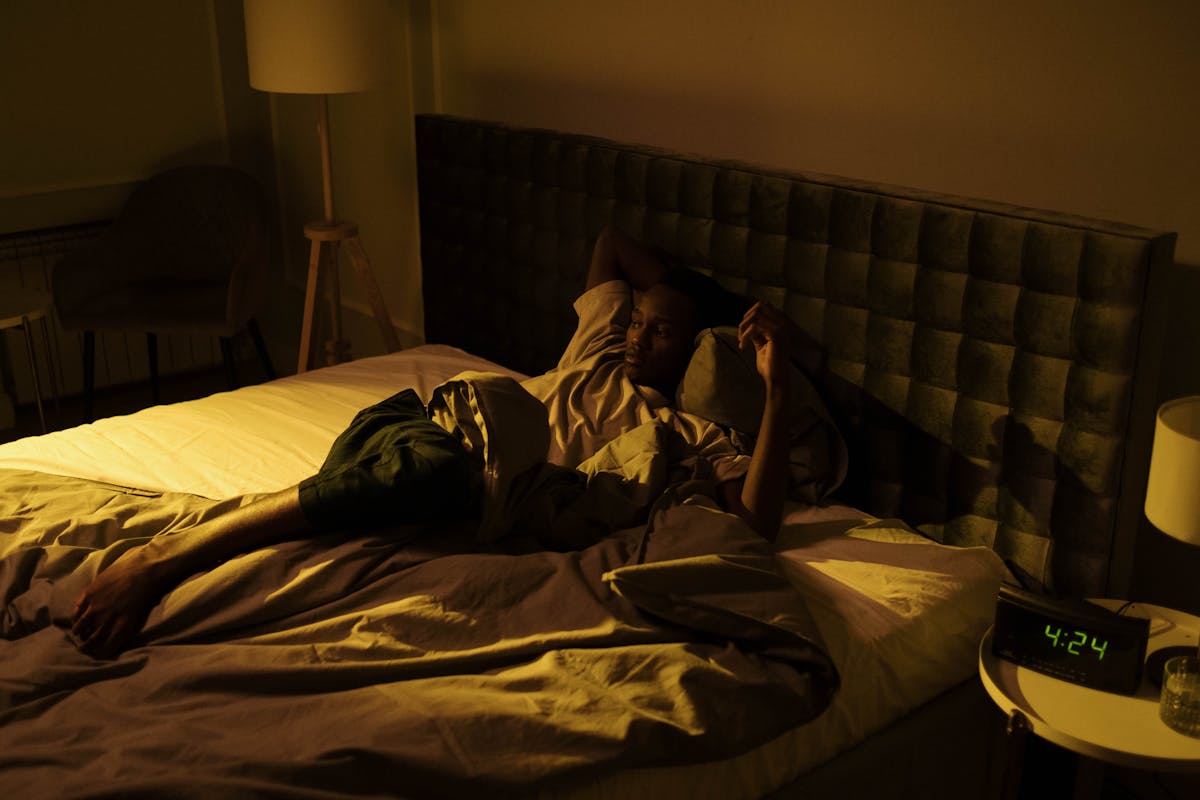
Revenge Bedtime Procrastination Test: Am I Stealing My Own Sleep?
TL;DR:
- Revenge bedtime procrastination is intentionally staying up late to reclaim personal time, despite exhaustion.
- It's not laziness or poor sleep hygiene—it's a rebellion against a schedule that owns your waking hours.
- The test below diagnoses whether you're caught in the cycle and why.
- Root causes: burnout, loss of autonomy, anxiety about tomorrow, or genuine FOMO for your own life.
- Relief comes from reclaiming daytime autonomy, not just "going to bed earlier."
What Is Revenge Bedtime Procrastination? (And Why It's Not Just Bad Sleep Habits)
Revenge bedtime procrastination is the act of intentionally delaying sleep—staying up scrolling, streaming, or "just thinking"—despite knowing you're exhausted and have an early morning ahead. The "revenge" part is key: you're not awake by accident. You're awake on purpose, taking back hours of the day that feel like they were stolen from you.
The term exploded in search around 2022, driven largely by discussions of work-life balance and the pandemic's blurring of home/work boundaries. By 2026, it's one of the most-searched sleep behaviors (alongside "tired but wired" and "painsomnia"), because the underlying cause—the feeling that your daytime is not yours—is only deepening.
Here's what makes it different from garden-variety insomnia:
- Insomnia = you want to sleep, but can't.
- Revenge bedtime procrastination = you choose not to sleep because the night feels like the only time that's yours.
Why This Matters (And Why It's Spreading)
When you spend 8–10 hours in a job where your time is scheduled, your attention is managed, and your autonomy is conditional, bedtime becomes a rebellion. The night is the one zone where you decide. Nobody is pinging you at midnight. No email arrives at 1 AM demanding a response.
For many people—especially remote workers, parents, and those in high-control jobs—the night becomes the only time they feel like themselves. So they stay up. They scroll. They exist without being productive or available.
This isn't a character flaw. It's a signal that your waking life doesn't have enough space for you in it.
The Revenge Bedtime Procrastination Test
Take this quiz to diagnose whether you're caught in the cycle—and more importantly, why.
The interactive quiz below reveals your pattern and maps it to three root causes:
- Autonomy deprivation — your daytime schedule owns you.
- Pre-sleep anxiety — dread about tomorrow's demands.
- Genuine fatigue + nervous-system dysregulation — your body can't slow down even when you try.
Your result will tell you which lever to pull to actually fix the pattern, not just guilt yourself into bed.
[INSERT INTERACTIVE QUIZ: revenge-bedtime-procrastination-test] Link to:
/quiz/my-sleep-fix
What Your Result Means
Type 1: The Autonomy Rebel
"I'm staying up because it's the only time I feel like I have a choice."
You're not insomniac. You're exhausted. But the moment you commit to sleeping, your nervous system panics—because sleep feels like losing control. You override exhaustion to prove you still have agency.
The fix: This isn't about sleep hygiene. It's about reclaiming daytime autonomy. Some of the most effective "sleep fixes" for this type:
- Set a hard boundary on work/availability before 6 PM. If you know the night is unscheduled, you won't need to "steal" it.
- Build non-negotiable personal time into your day (even 30 min). The rebellion often shrinks when the daytime has space for you.
- Notice what you're doing at night that feels so precious. Is it scrolling? Creating? Resting without guilt? Whatever it is, the goal is to make some version of it legal during the day.
Type 2: The Anxiety Procrastinator
"Tomorrow feels impossible, so I'm delaying the reset."
You stay up because sleep means tomorrow arrives. You're not avoiding sleep; you're avoiding the morning. This often coexists with burnout or a toxic schedule.
The fix:
- Examine what's actually happening tomorrow. Is it a real crisis, or does every morning feel like one? (If every day feels urgent, the problem isn't sleep—it's the schedule.)
- Set one small win for tomorrow before bed. "I've already decided I'm skipping the 8 AM meeting" or "I'm working from a cafe instead of the office." Giving tomorrow one element of autonomy often collapses the dread.
- If you're in a genuinely unsustainable job, no sleep hack fixes this. The procrastination is telling you something real.
Type 3: The Exhausted-But-Wired
"I'm so tired I could collapse, but my nervous system won't turn off."
Your body is screaming for sleep, but your nervous system is stuck in high alert. This is often stress hormones (cortisol spikes in evening), unprocessed anxiety, or chronic overstimulation.
The fix:
- Introduce a 20–30 min wind-down that's not a screen. Reading, walking, journaling, or lying in the dark and listening to ambient sound. Your nervous system needs a transition, not just a bedtime.
- Check your caffeine window. If you're wired after 8 PM, caffeine after 12 PM might be the culprit.
- If this is chronic, consider whether you're in fight-or-flight baseline due to a stressful job, relationship, or financial situation. Sleeping pills won't fix it; the stress does.
FAQ: Revenge Bedtime Procrastination
Is revenge bedtime procrastination the same as insomnia?
Not exactly. Insomnia is inability to sleep despite wanting to. Revenge bedtime procrastination is the choice to stay awake because you don't want the day to end or tomorrow to begin. That said, if it's chronic, it can cause insomnia by destabilizing your sleep-wake cycle.
Why do I feel so guilty about staying up late?
Because you know you're tired, and sleep advice is everywhere telling you that going to bed early is the solution. But if the real problem is "my daytime doesn't belong to me," then the guilt is misplaced. The problem isn't laziness—it's autonomy.
Can I fix revenge bedtime procrastination with melatonin or sleep meds?
They might help you fall asleep, but they won't fix the wanting to stay up. If you're rebelling against your schedule, a sleeping pill just means you'll wake up resentful at 6 AM. The real fix is addressing why the night feels like your only free time.
What if I have revenge bedtime procrastination and a demanding job I can't leave?
Then you're in a real bind, and the sleep is the symptom, not the problem. Short-term: set a hard boundary on one part of your day (no email after 7 PM, one weekend morning completely off). Medium-term: Look for a new job or renegotiate your role. This isn't sustainable.
Is staying up late actually bad for me if I can function on less sleep?
Less clear-cut than sleep advice suggests. Some people genuinely need 6–7 hours; others need 8–9. Chronic sleep deprivation (under 6 hours consistently) does compound health risks. But a few nights of 6–7 hours because you chose it? Less damaging than the stress of forced early sleep, which often backfires.
The Real Fix (Spoiler: It's Not Bedtime)
Revenge bedtime procrastination is your nervous system's way of saying: "I need to feel like my time is mine."
The most effective "treatment" isn't sleep hygiene. It's:
- Reclaiming daytime autonomy — even small pockets.
- Setting a hard boundary on availability — your evening is off limits to work/demands.
- Examining whether your current life is actually sustainable — if every day feels like a crisis, sleep tips won't save you.
Once you have some autonomy in your waking hours, the night often naturally becomes less precious. You're not starving for it anymore.
If you're stuck in the cycle, take the quiz above to diagnose your specific type and get targeted strategies. The test takes 3 minutes; the insight often lasts.
Disclaimer: This quiz is a self-reflection tool, not a medical diagnosis. If you have persistent insomnia, severe anxiety, or suspect a sleep disorder, consult a healthcare provider. Revenge bedtime procrastination often coexists with burnout or anxiety, both of which benefit from professional support.
Want a personalized read on this? Diagnose your sleep pattern → Take the quiz — a few minutes, instant results.
Related Articles

Why Am I Always Bloated? 9 Common Causes (and How to Find Yours)
If you're bloated by mid-afternoon every single day, it's usually not 'just what you ate.' Here are the 9 real causes of chronic bloating and how to pinpoint yours.
Am I Sleep Deprived: 5 Hidden Signs You're Running on Empty
You sleep 8 hours and wake exhausted. Your brain feels foggy. You're snapping at people. These aren't laziness—they're signs your body is running a sleep debt you probably don't realize.

Am I Tired All the Time? Why You're Exhausted and How to Know If It's Your Hormones
You sleep 8 hours and wake up feeling like you got hit by a truck. Here's what's actually going on—and how to tell if it's your hormones, stress, or something else.